

Mosque Roof Waterproofing Dubai Project Summary
This mosque roof waterproofing Dubai project involved the complete investigation and restoration of a severe roof leakage issue affecting Omar Bin Al Khattab Mosque (Masjid Code 513) in Hatta.
DCX Technical Services was appointed by AWQAF Dubai to conduct a comprehensive engineering investigation using thermography scanning, controlled flood testing, roof drainage assessment, and waterproofing diagnostics to identify the root causes of water ingress. The restoration works included roof slope correction, drainage rehabilitation, chamber reconstruction, AC foundation treatment, waterproofing detail repairs, membrane replacement, flood testing, and installation of a complete FOSROC waterproofing protection system, resulting in the successful elimination of leakage and restoration of long-term roof performance.
Mosque Roof Waterproofing Failure Investigation & Restoration
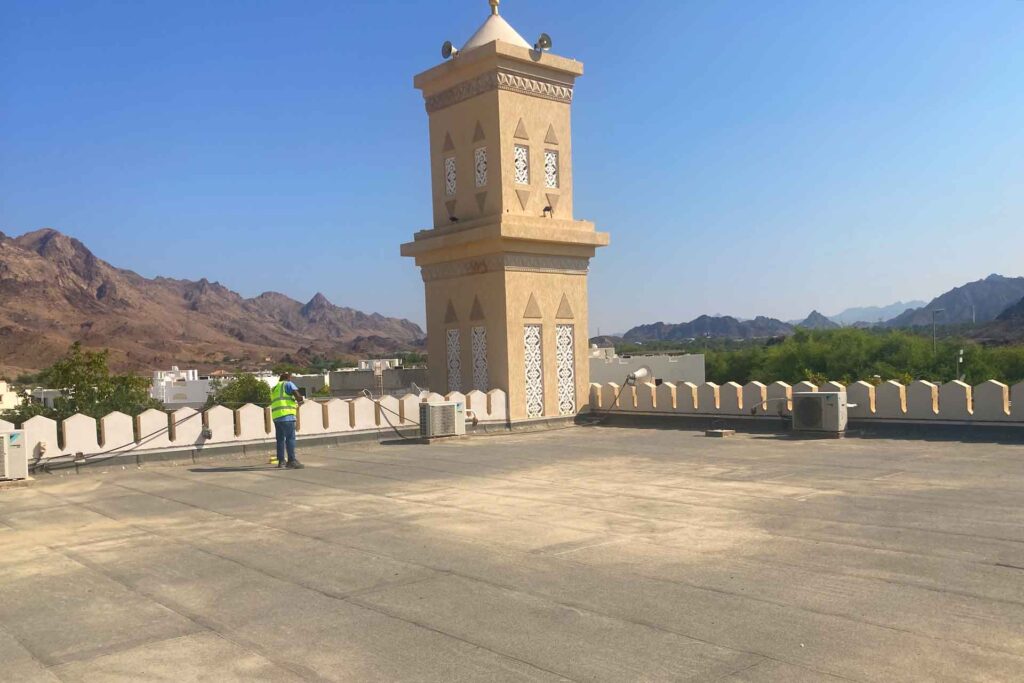
Omar Bin Al Khattab Mosque (Masjid Code: 513) in Hatta, Dubai, was experiencing severe and recurring roof leakage affecting the male prayer hall, female prayer hall, and female ablution facilities. The issue had persisted for an extended period despite multiple repair attempts carried out by several contractors.
As a public religious facility operated under AWQAF Dubai, the situation had reached a critical stage. Water ingress was disrupting daily prayer activities, damaging internal finishes, and negatively affecting visitor comfort. Due to the severity of the ongoing leaks, the project was escalated for immediate engineering intervention.
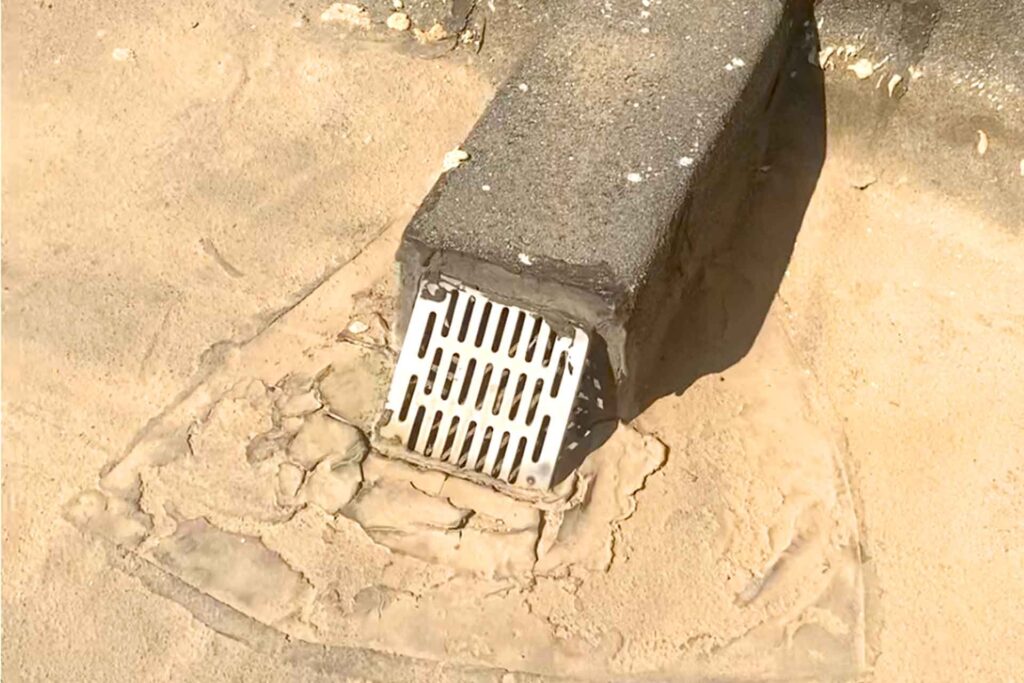
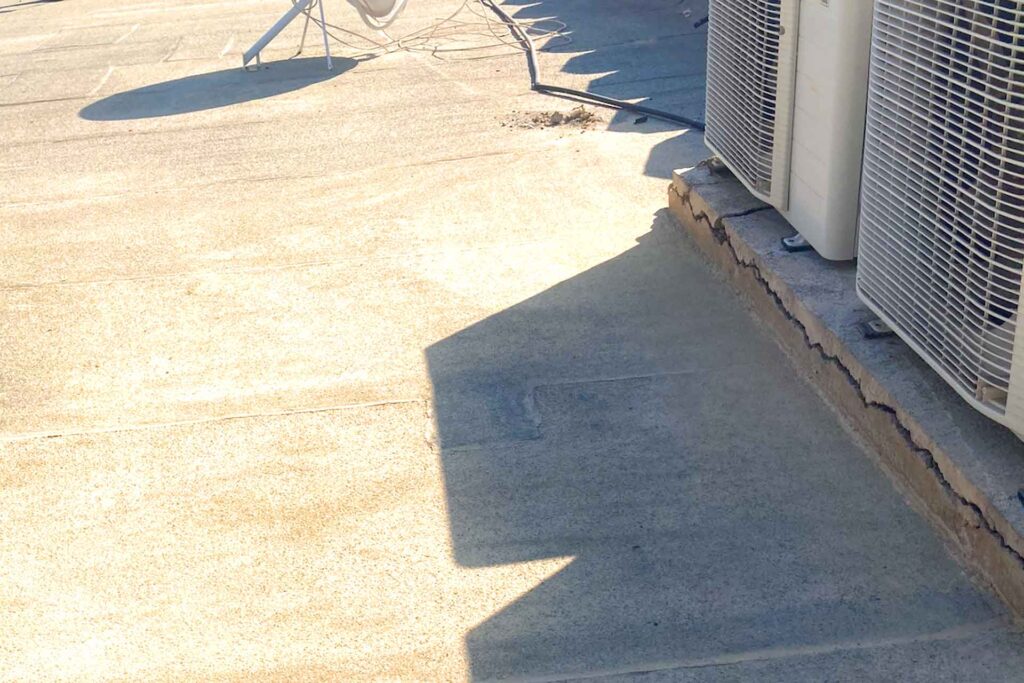
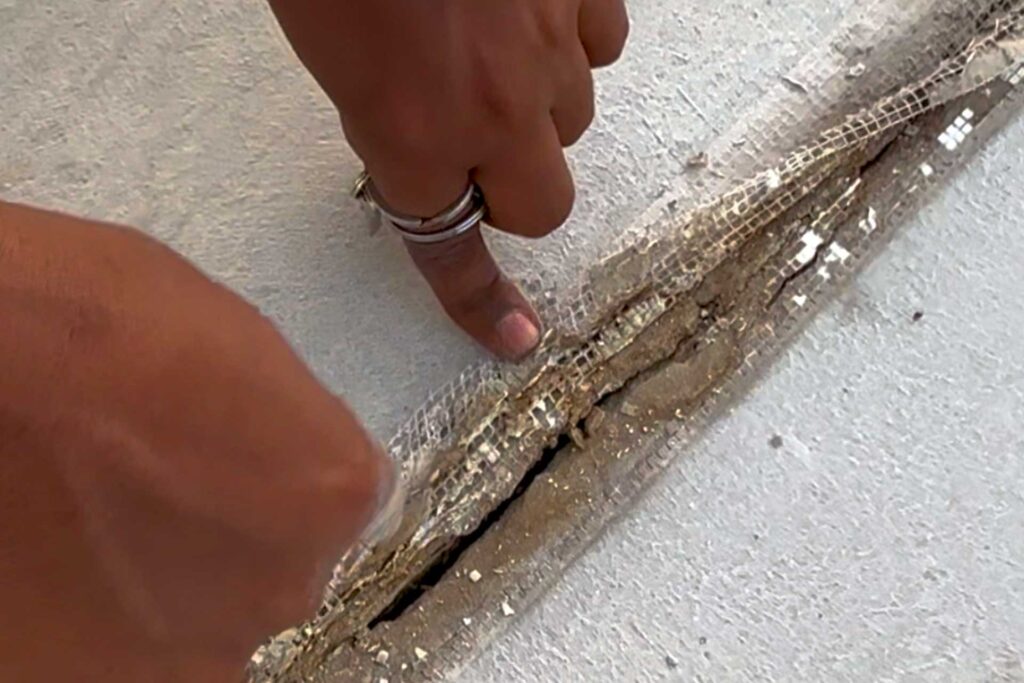
DCX Technical Services was appointed to perform a comprehensive investigation rather than another temporary repair. Initial roof inspections revealed numerous waterproofing deficiencies, including failed membrane installations, widespread air pockets beneath existing waterproofing layers, untreated drainage discharge points, deteriorated roof chambers, damaged AC equipment foundations, and poor roof drainage slopes causing water accumulation across the roof surface.
Unlike previous repair attempts that focused only on visible leakage locations, DCX adopted a root-cause engineering approach. The investigation included thermography scanning, controlled flood testing using approximately 13,500 gallons of water, moisture migration analysis, roof drainage assessment, and structural waterproofing diagnostics to identify the true sources of water ingress.
The findings confirmed that leakage was occurring through multiple roof penetrations, damaged waterproofing details, drainage deficiencies, and inadequate roof falls that prevented effective water discharge. These conditions allowed moisture to migrate beneath the waterproofing system and penetrate the mosque structure at multiple locations.
Based on the investigation findings, a complete roof waterproofing restoration strategy was developed. The solution included removal of failed waterproofing systems, correction of roof slopes, drainage rehabilitation, reconstruction of waterproofing chambers, treatment of all roof penetrations and AC foundations, flood testing verification, and installation of a new FOSROC waterproofing protection system designed to provide long-term reliability and performance.
Repair Methodology
SYSTEMATIC MOSQUE ROOF
WATERPROOFING RESTORATION
PROCESS
The engineering team conducted a structured roof waterproofing investigation to identify the true causes of recurring water ingress affecting multiple prayer and service areas within Omar Bin Al Khattab Mosque (Masjid Code: 513) in Hatta, Dubai.
Rather than performing another temporary repair, DCX implemented a root-cause engineering methodology that combined thermography inspection, controlled flood testing, roof drainage assessment, waterproofing diagnostics, and physical roof condition analysis.
The investigation revealed several critical failures, including inadequate roof slopes causing water ponding, deteriorated waterproofing chambers, damaged AC equipment foundations, untreated roof penetrations, defective drainage discharge points, and failed waterproofing membrane installations carried out during previous repair attempts.
Following detailed assessment, the restoration works included complete removal of failed waterproofing systems, correction of roof slopes using approximately 13 cubic meters of engineered screed and ready-mix concrete, drainage rehabilitation, waterproofing detail treatment, chamber reconstruction, flood testing verification, installation of a new bituminous membrane system, and application of additional FOSROC liquid waterproofing protection layers.
This systematic engineering approach successfully eliminated recurring leakage and restored long-term waterproofing performance throughout the mosque facility.
Mosque Roof Waterproofing Investigation, Leak Detection & Restoration Process
This project followed a structured engineering methodology beginning with thermography inspection and controlled flood testing, followed by root-cause verification, roof
rehabilitation, waterproofing restoration, drainage correction, and final
performance validation to eliminate recurring leakage
throughout the mosque facility.
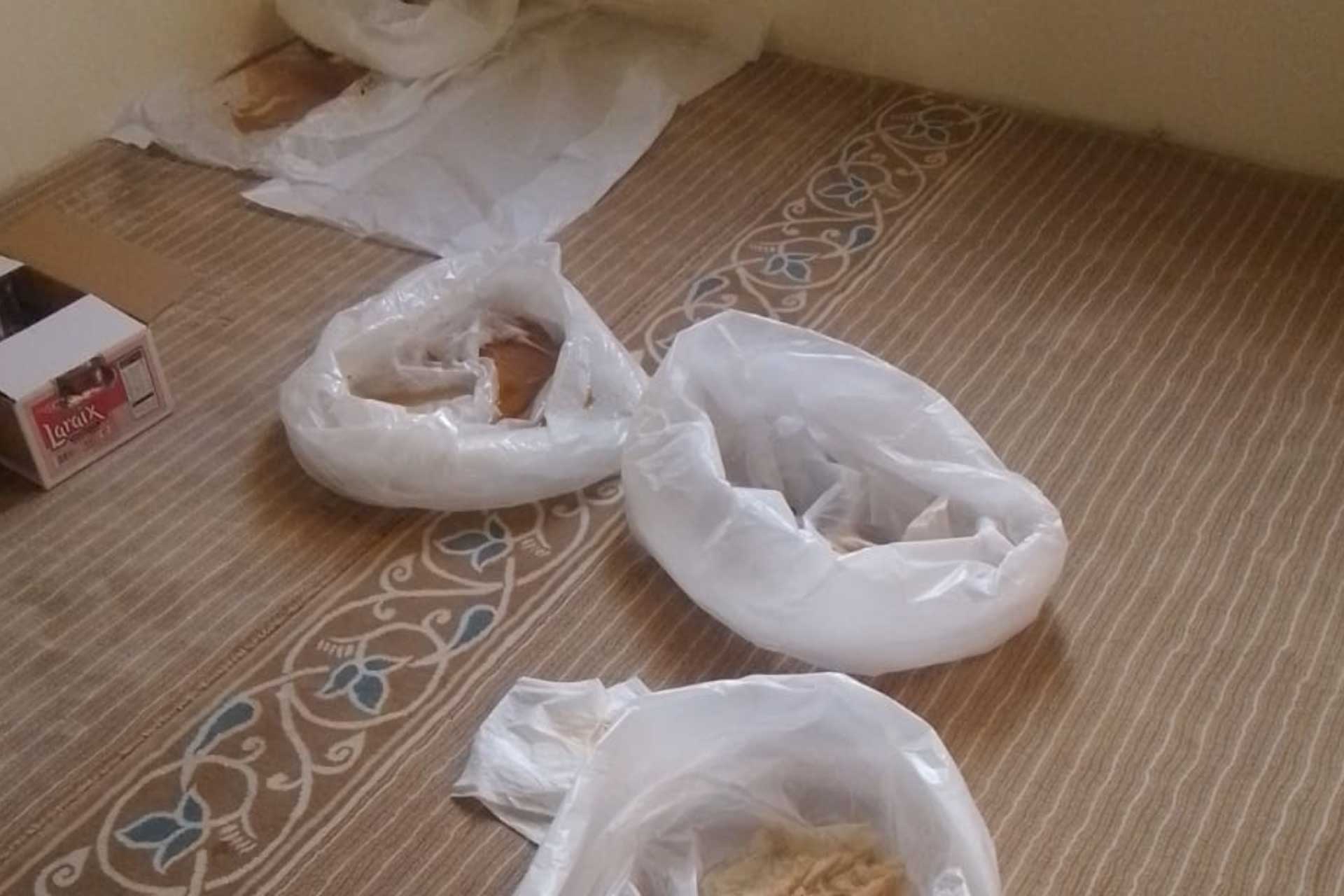
Initial Mosque Condition Assessment
DCX engineers conducted a comprehensive site inspection to evaluate recurring roof leakage affecting the male prayer hall, female prayer hall, and female ablution facilities. Previous repair attempts were reviewed and visible waterproofing deficiencies were documented.
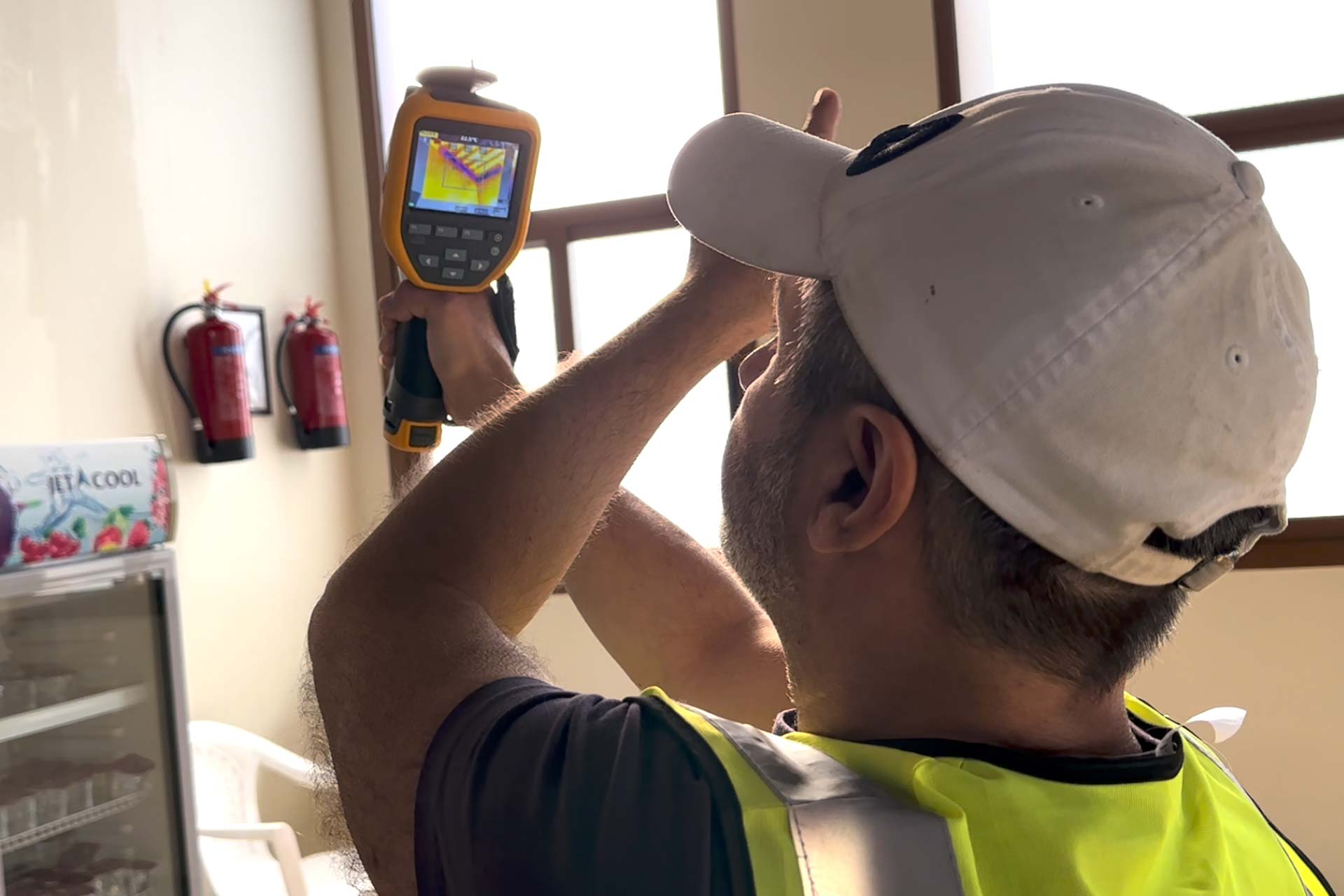
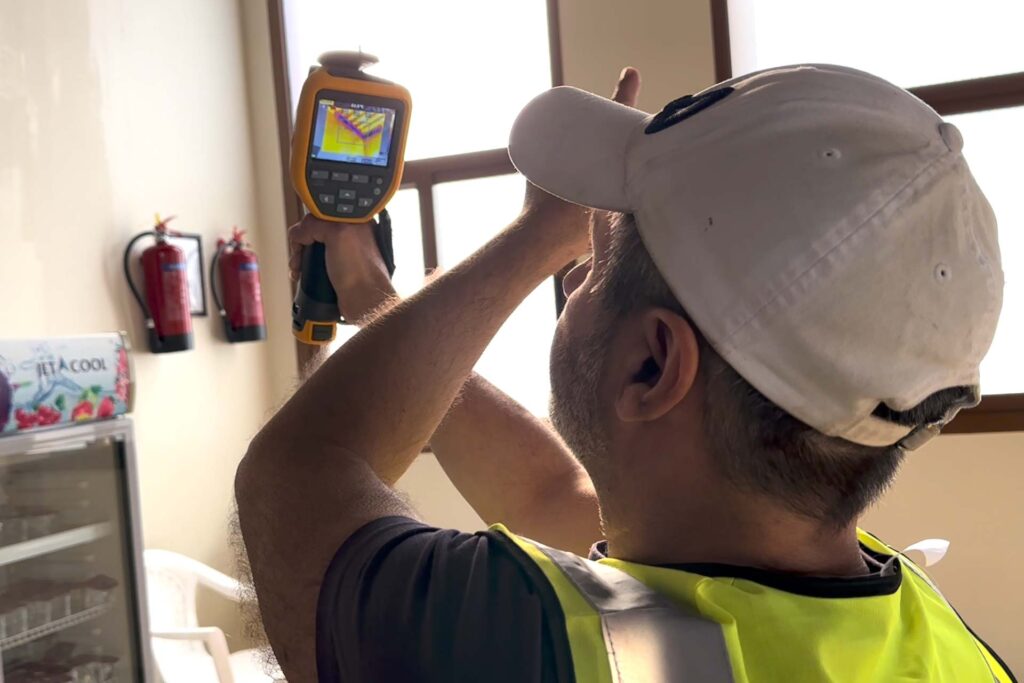
Thermography Inspection & Moisture Mapping
Following the initial assessment, advanced thermal imaging was performed inside the mosque to identify concealed moisture migration pathways, wet areas, and active water ingress locations affecting internal finishes and structural elements.
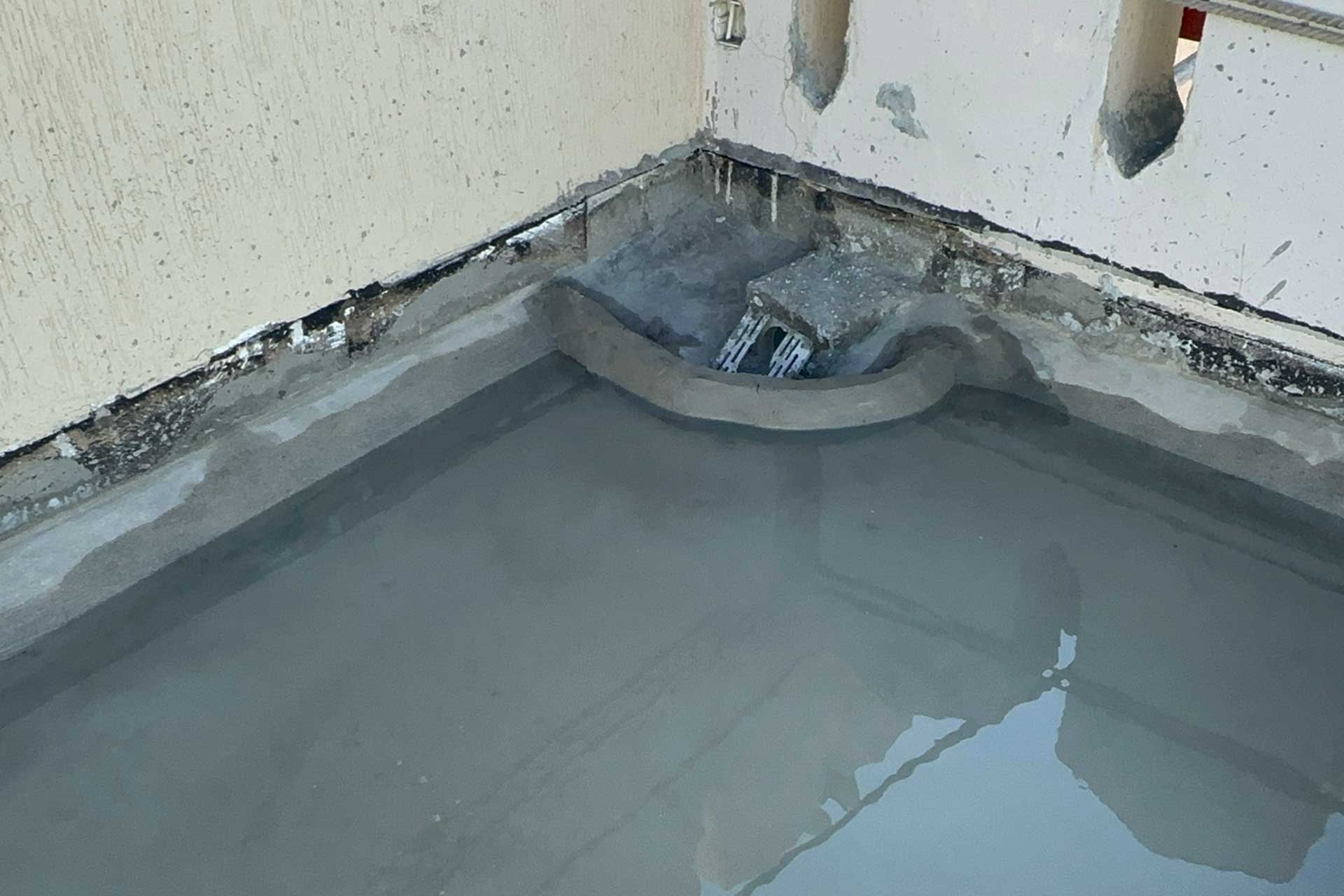
Controlled Flood Testing
Subsequently, approximately 13,500 gallons of water were introduced onto the roof surface and retained for 48 hours to recreate actual leakage conditions and accurately trace moisture penetration pathways.
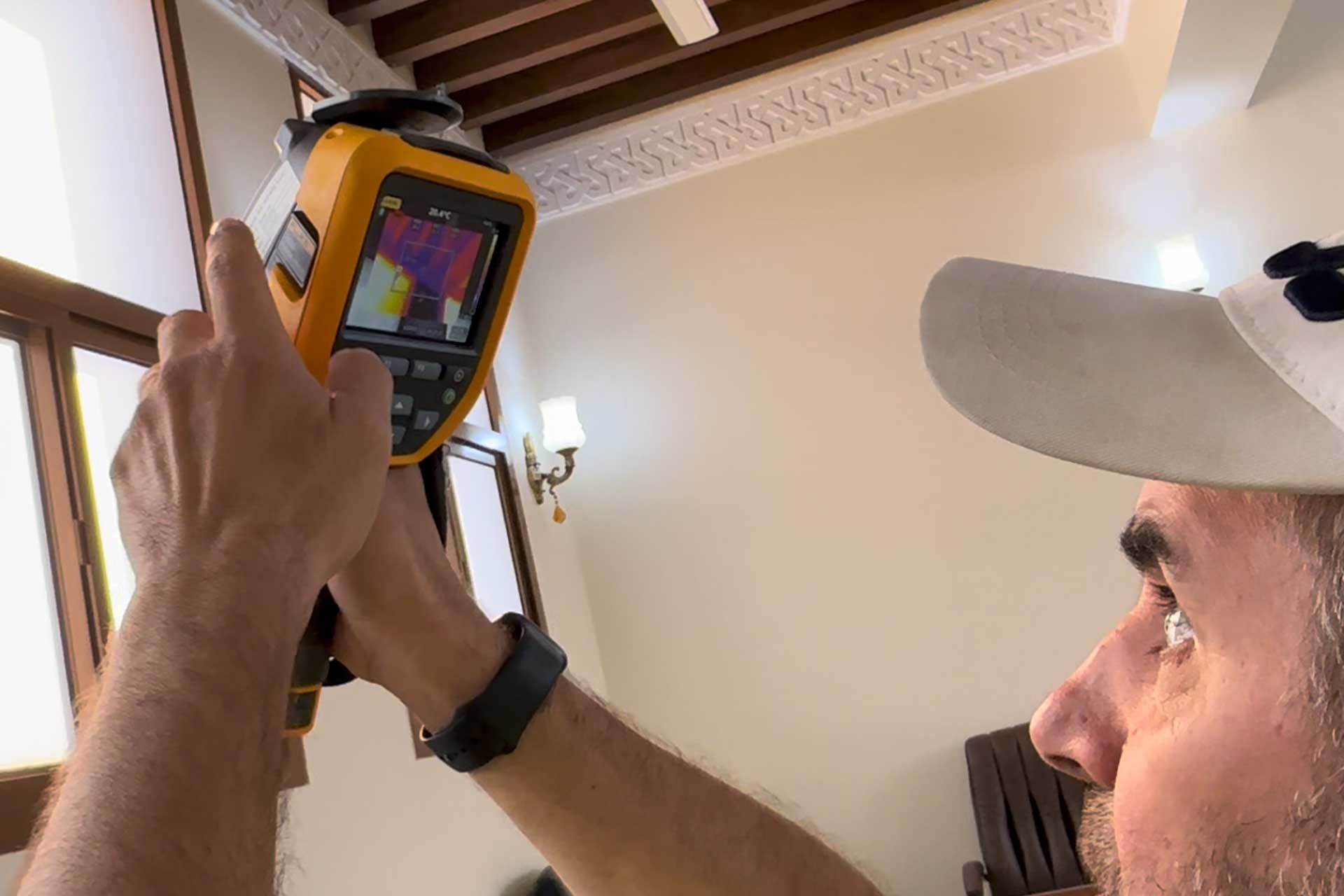
Root Cause Verification
A second thermography survey was conducted following flood testing to confirm active leakage locations, identify moisture concentrations, and establish the true sources of water ingress.
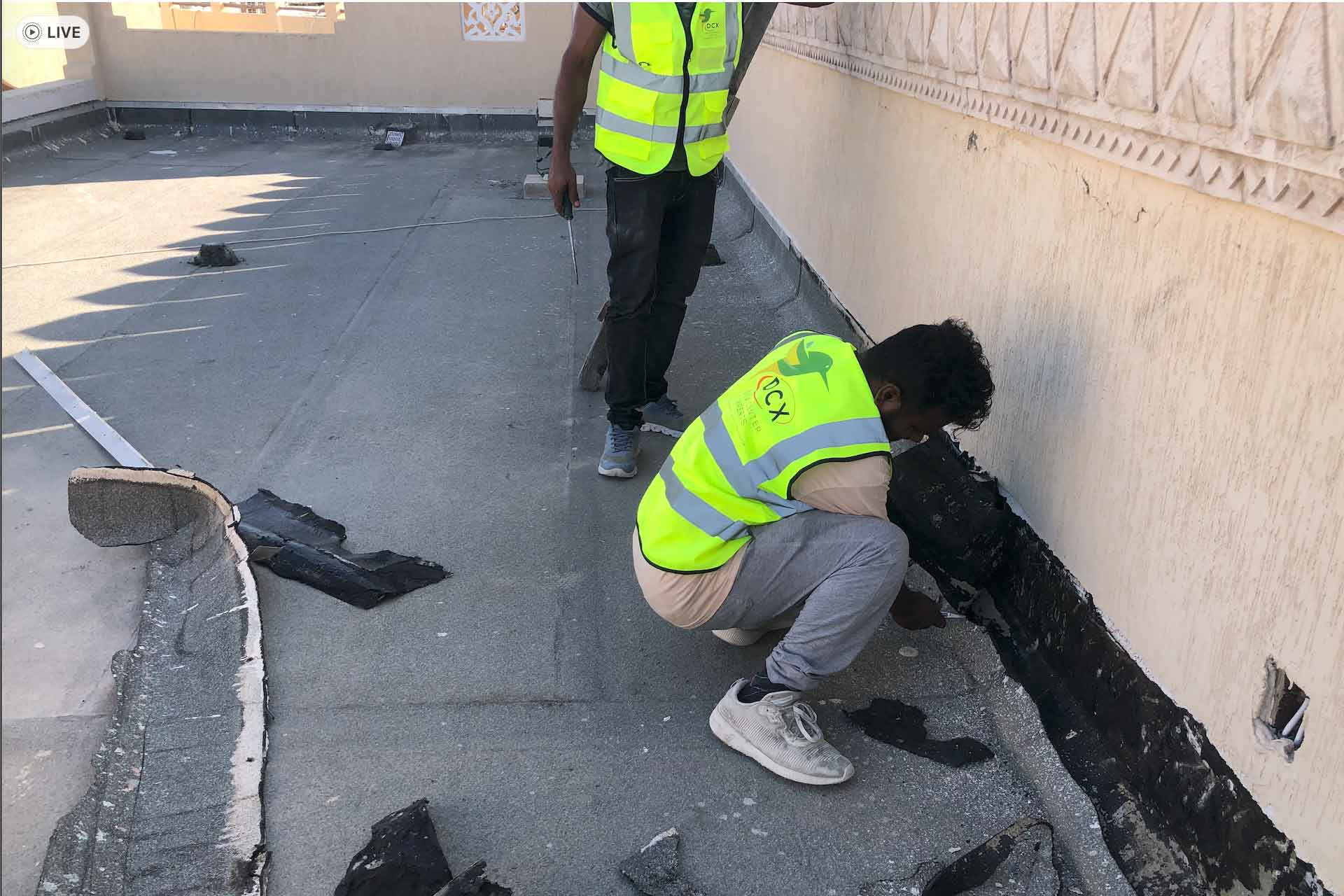
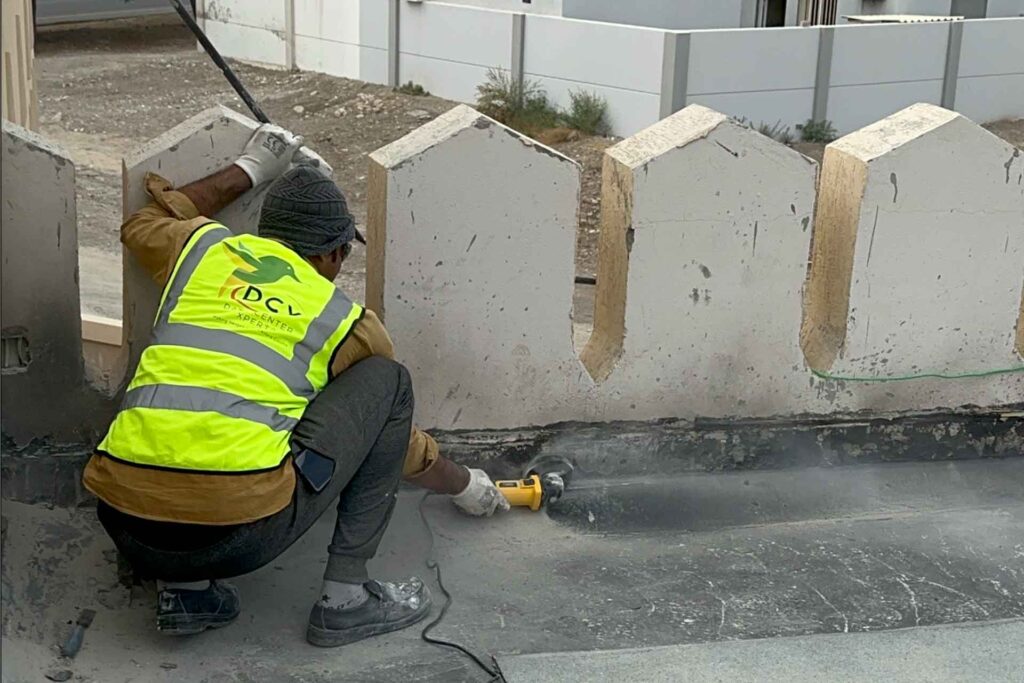
Removal Of Failed Waterproofing System
Existing waterproofing membranes, deteriorated joint sealants, damaged waterproofing details, and defective roof components were removed to expose the original roof substrate for investigation and repair.
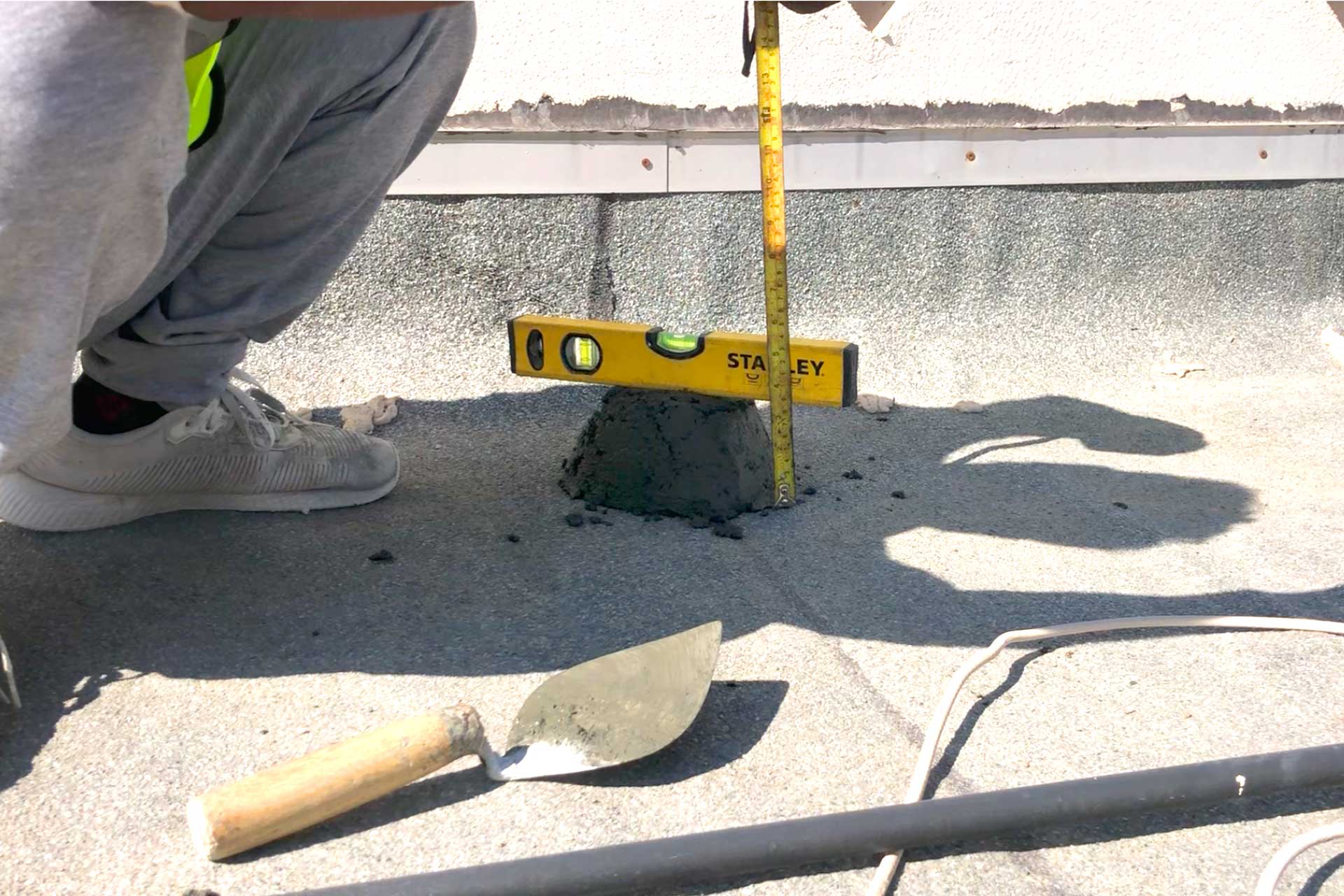
Roof Slope Assessment & Correction
Furthermore, detailed roof level assessments identified inadequate drainage falls that allowed water ponding. Approximately 13 cubic meters of engineered screed and ready-mix concrete were installed to establish proper water flow toward roof drainage points.
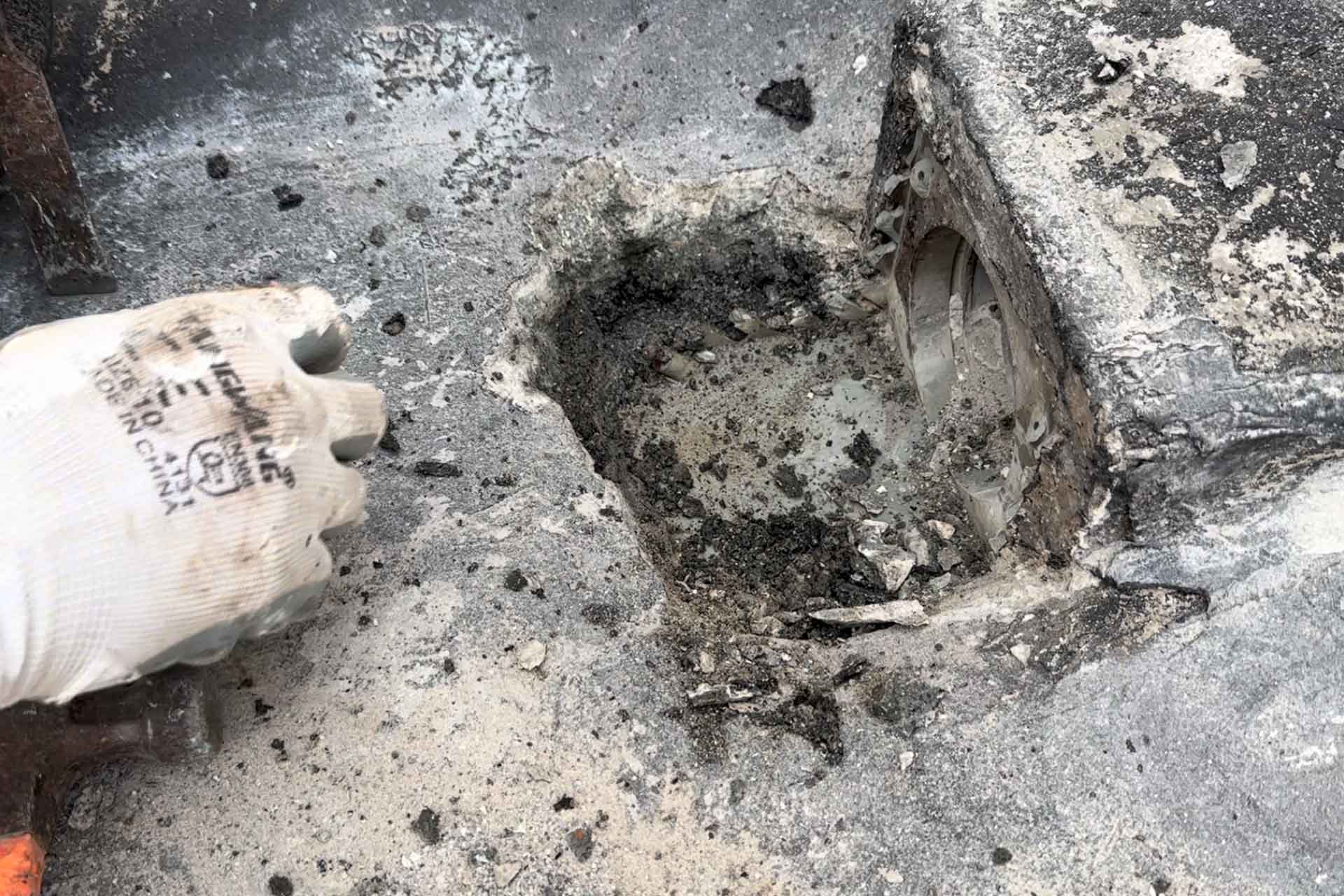
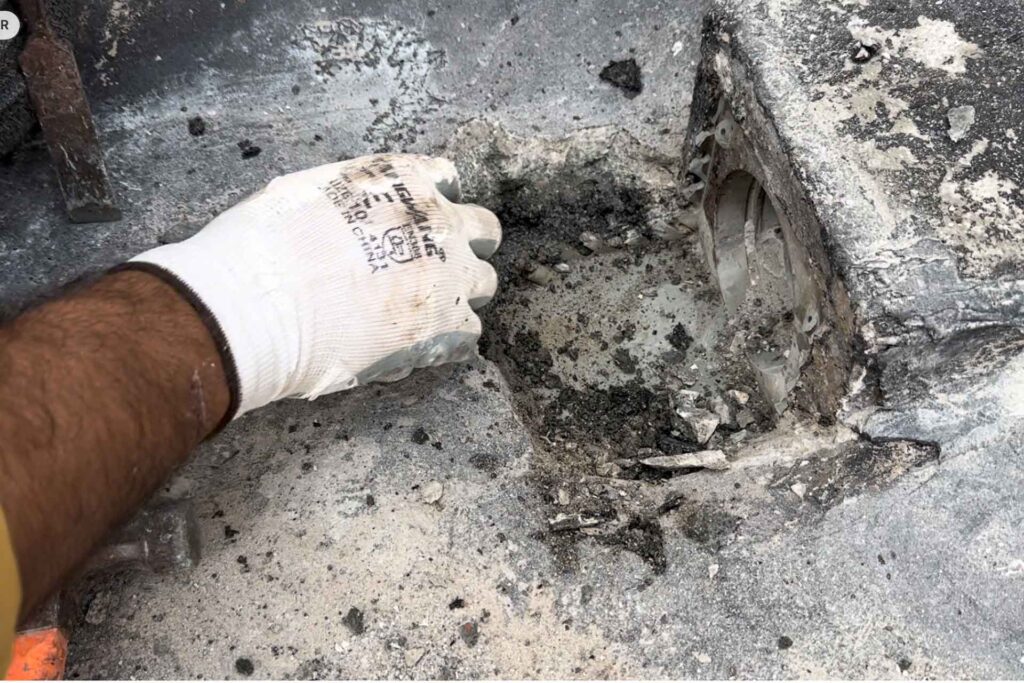
Drainage Rehabilitation
Consequently, roof drainage outlets were dismantled, repaired, and reconstructed. Waterproofing details surrounding all discharge points were rebuilt to eliminate leakage risks and improve long-term drainage performance.
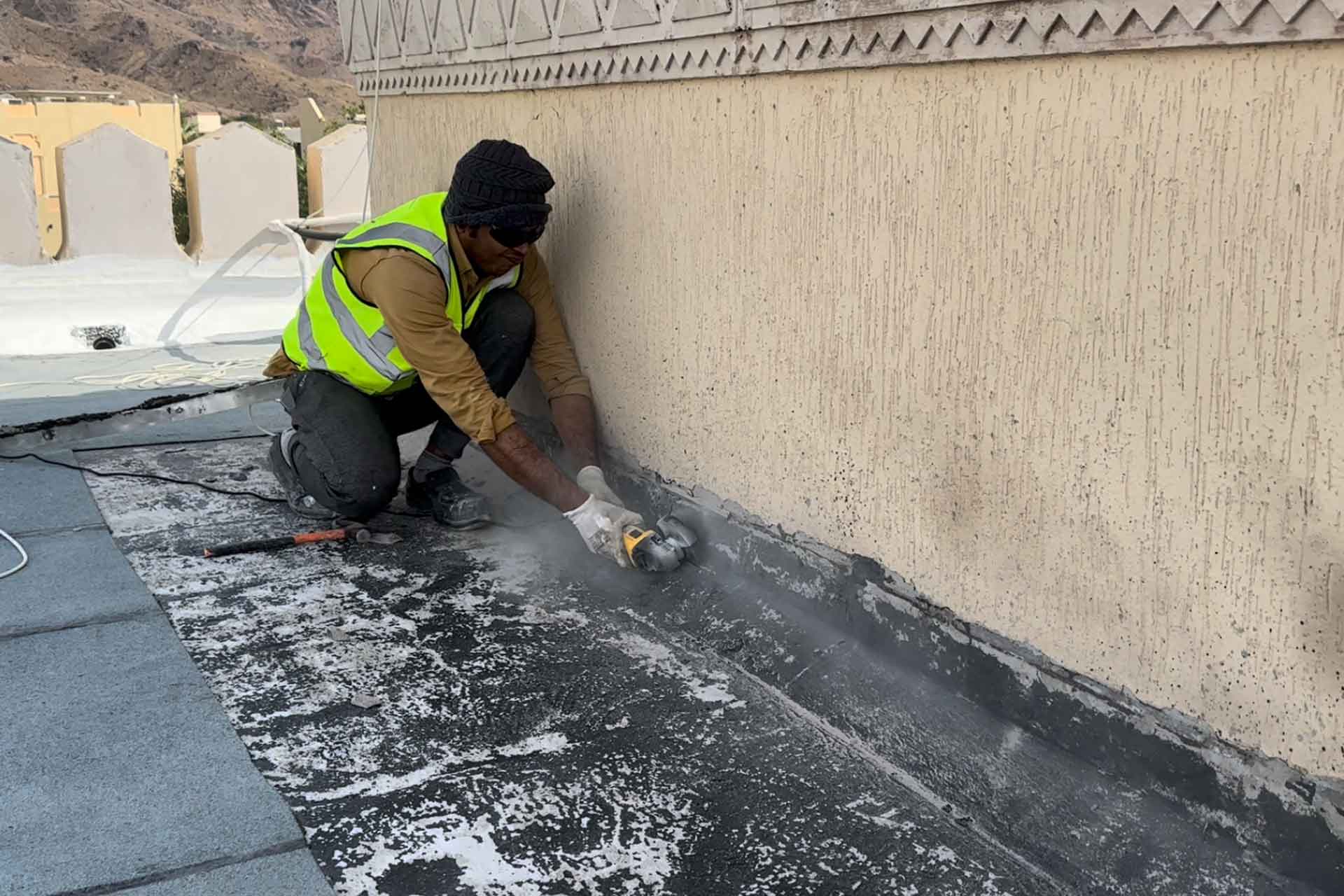
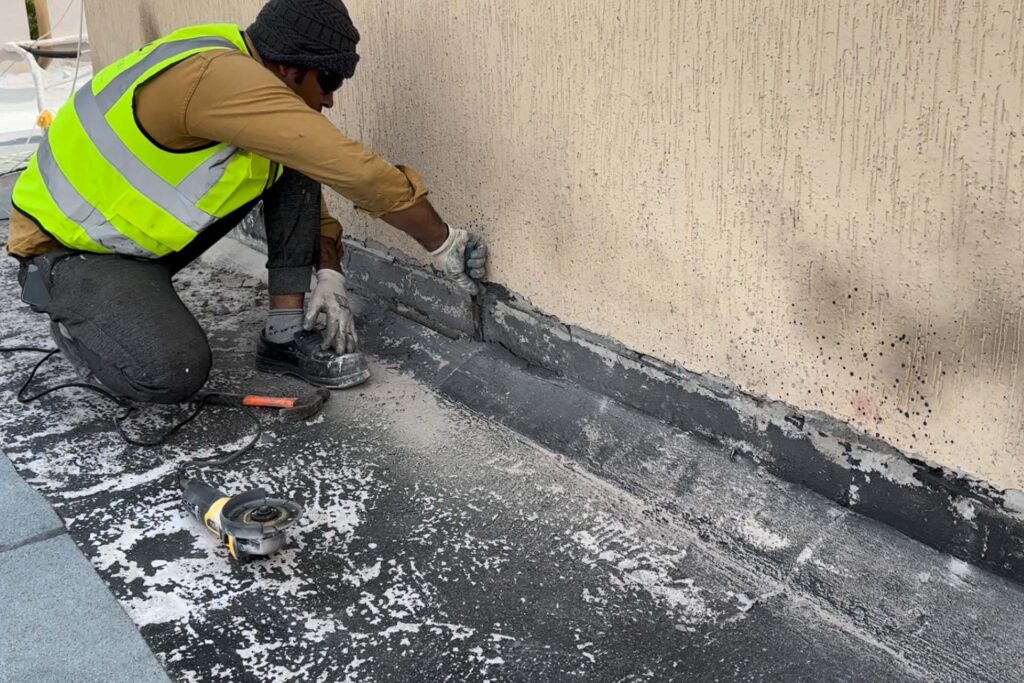
Chamber Reconstruction & Waterproofing Detailing
Damaged perimeter waterproofing chambers were reconstructed and strengthened using engineered repair mortars and FOSROC waterproofing materials to create fully sealed transitions throughout the roof.
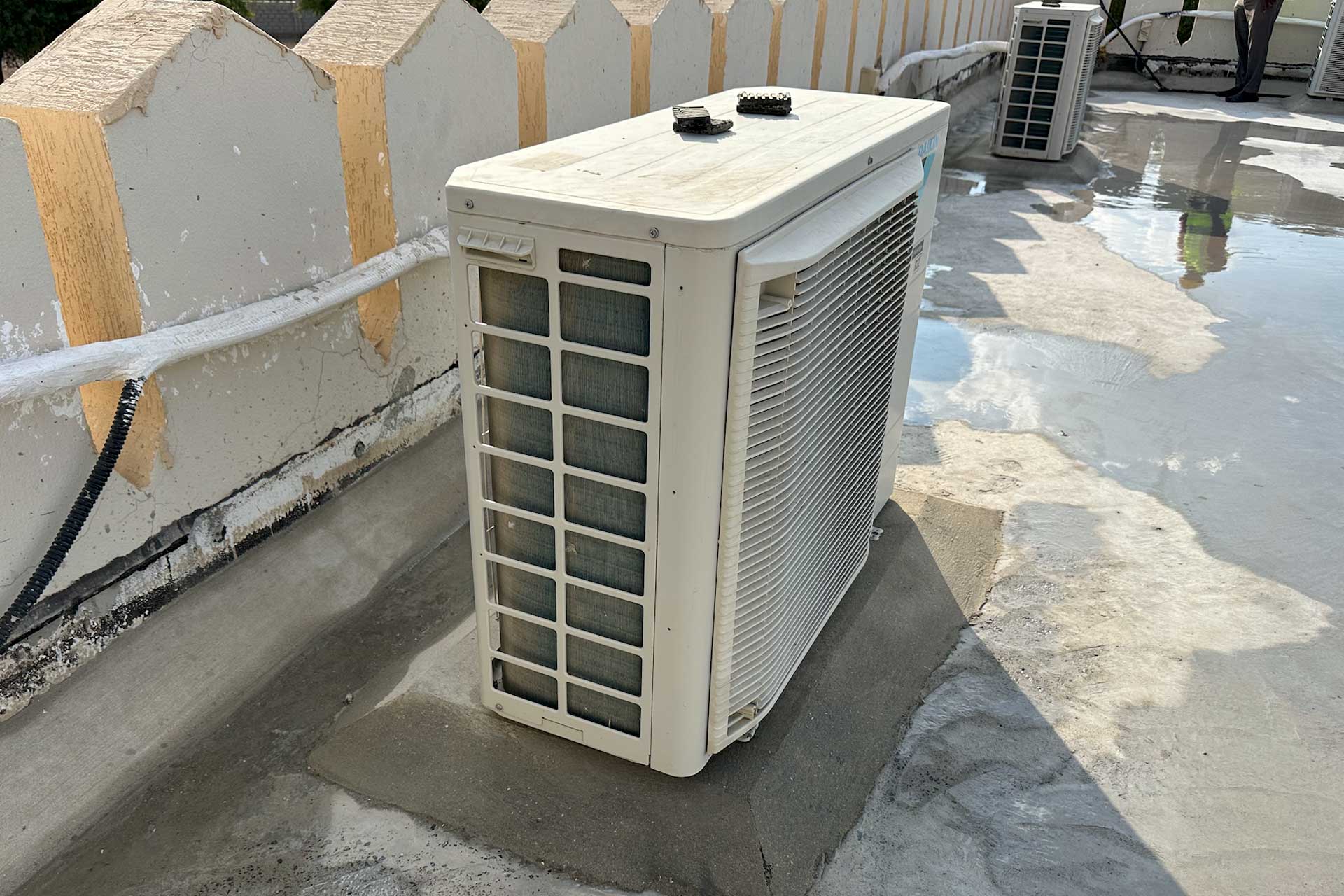
AC Foundation & Roof Penetration Treatment
All AC equipment foundations, roof penetrations, PPR pipe penetrations, and service interfaces were repaired and waterproofed to eliminate hidden leakage paths previously left untreated.
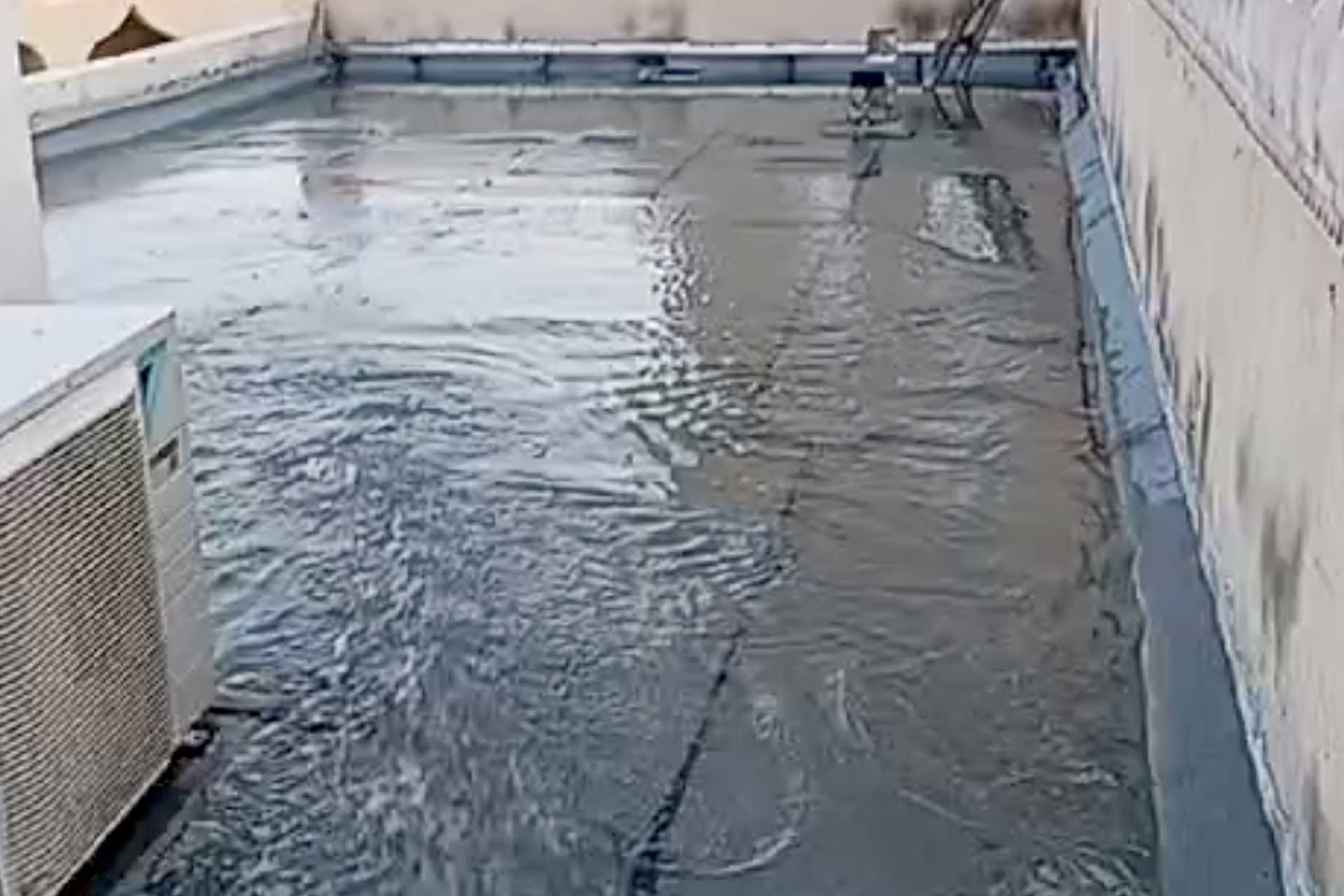
Final Flood Testing Verification
Finally, a second controlled flood test was conducted following completion of rehabilitation works. The roof remained leak-free throughout the testing period, confirming the effectiveness of all corrective measures.
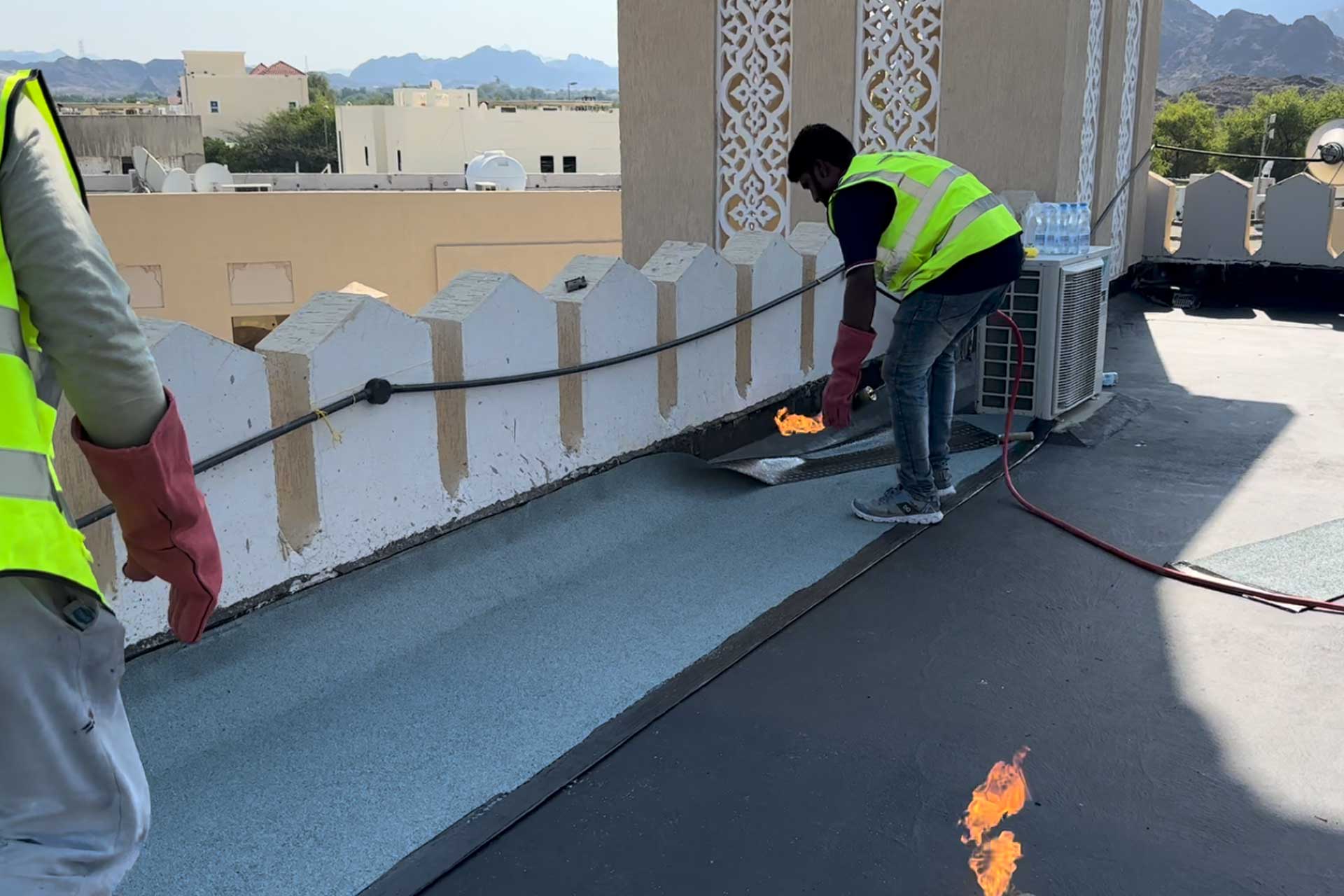
Bituminous Membrane Installation
Primer, bitumen coatings, and a new waterproofing membrane system were installed across the entire roof surface in accordance with engineered waterproofing specifications.
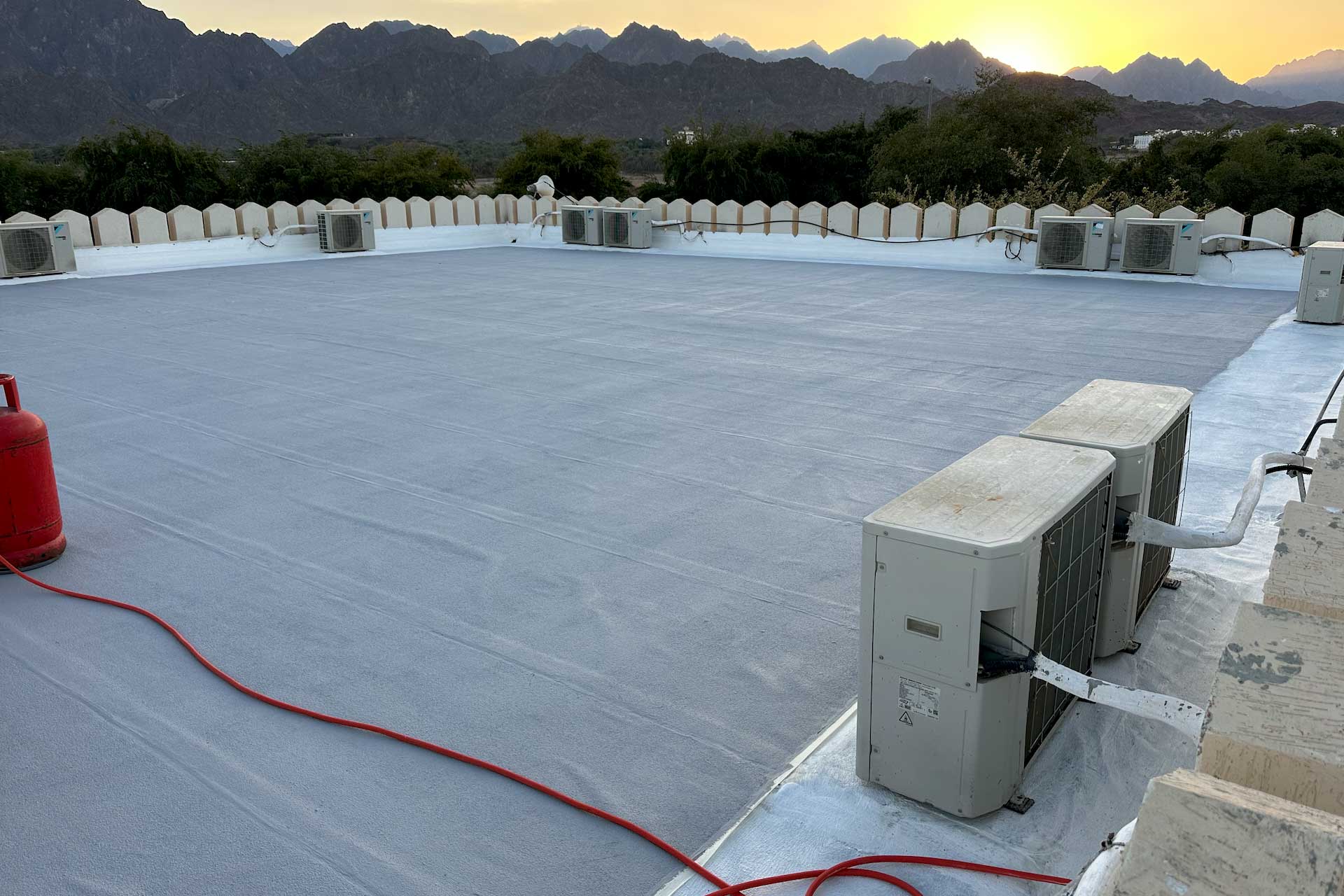
FOSROC Liquid Waterproofing Protection & Handover
Two additional layers of FOSROC liquid waterproofing protection were applied to provide enhanced long-term durability. Following final inspection and quality verification, the mosque was successfully handed over with all leakage issues eliminated.
Successful Mosque Waterproofing Restoration
Following completion of the engineering investigation, roof rehabilitation works, drainage correction, flood testing, and waterproofing restoration, all active leakage issues affecting Omar Bin Al Khattab Mosque (Masjid Code: 513) were successfully eliminated.
The completed waterproofing system restored proper roof drainage performance, protected critical roof penetrations, and prevented future moisture ingress into the male prayer hall, female prayer hall, and ablution facilities.
The mosque returned to full operation with improved waterproofing reliability, enhanced visitor comfort, and a long-term protection system designed to withstand Dubai and Hatta environmental conditions.
Why Mosque Roof Waterproofing Requires
Specialized Engineering?
Unlike residential buildings, mosque waterproofing projects require careful planning to avoid disruption to prayer activities while protecting sensitive interior finishes and public facilities. This project demonstrates the importance of root-cause investigation, flood testing, drainage
correction, and engineered waterproofing systems when resolving recurring roof leakage problems..
Explore Similar Waterproofing Projects
Related Waterproofing Restoration Projects
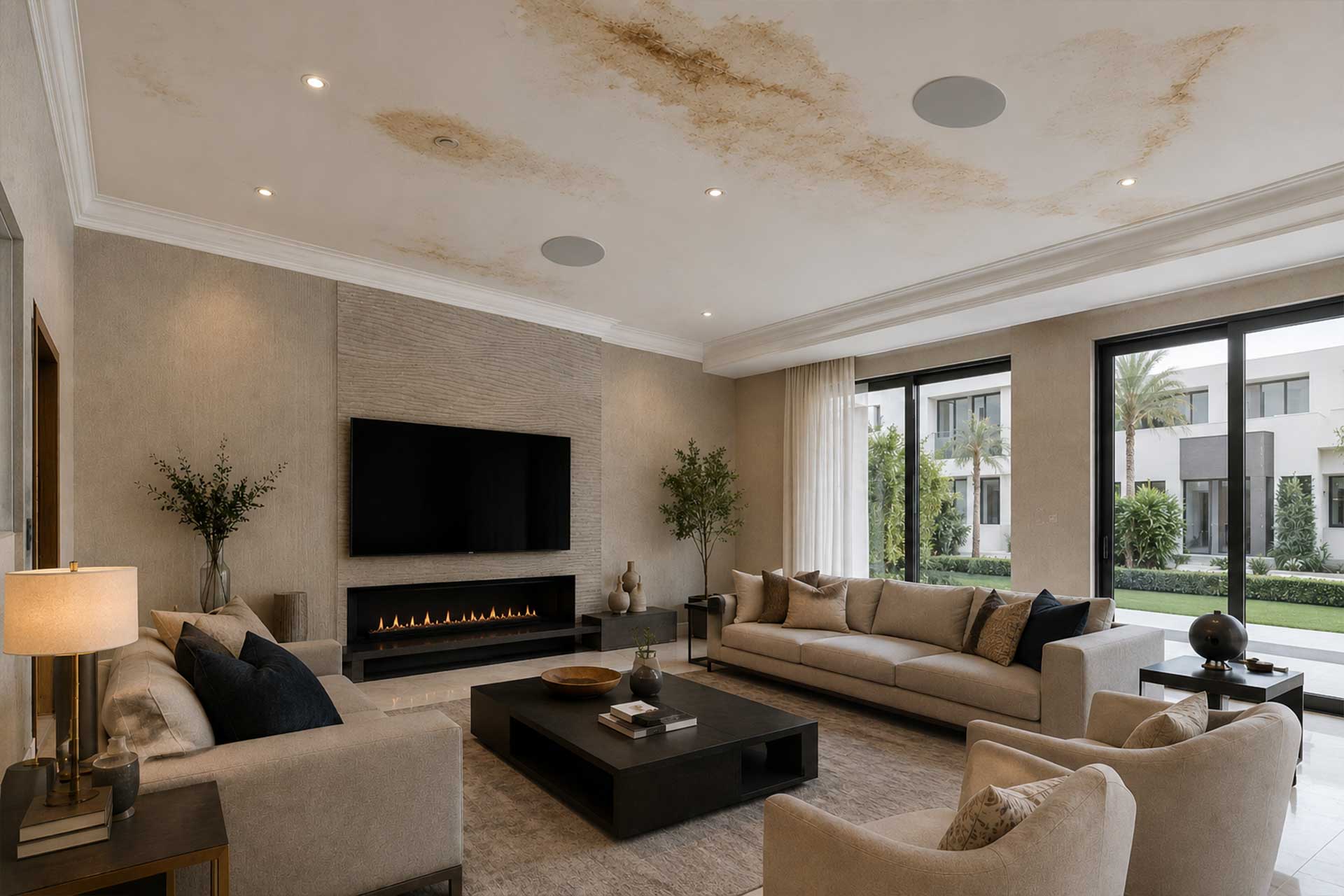
Luxury Villa Roof Leak Investigation
Leak Investigation | Waterproofing Restoration | Flood Testing
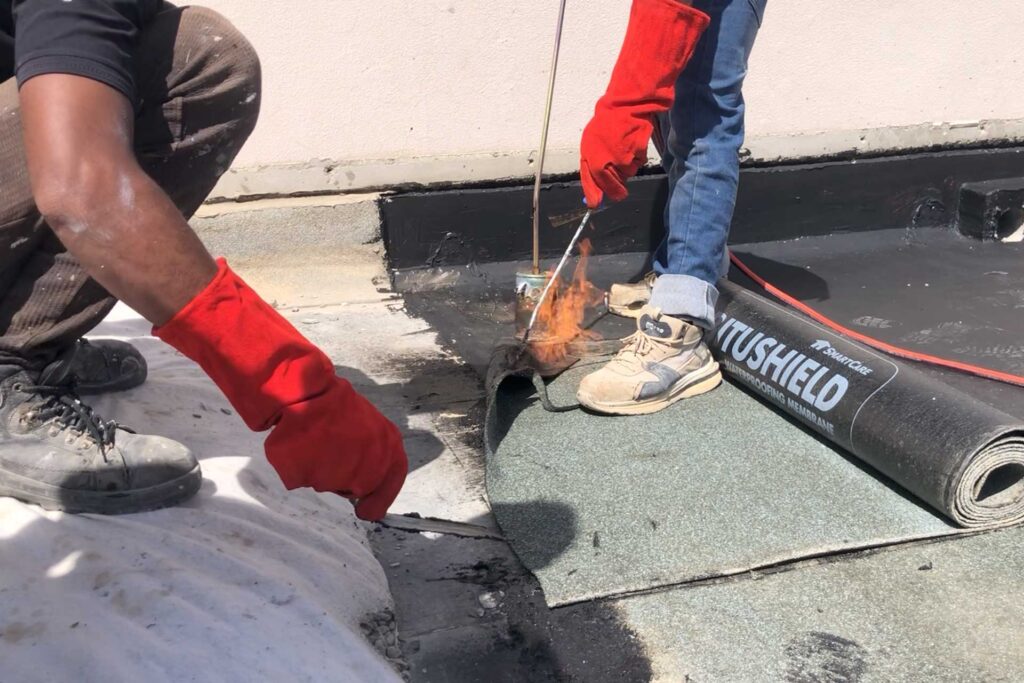
Bathroom Water Leak Repair Dubai
Villa Leak Investigation |
Waterproofing Rectification |
Flood Testing
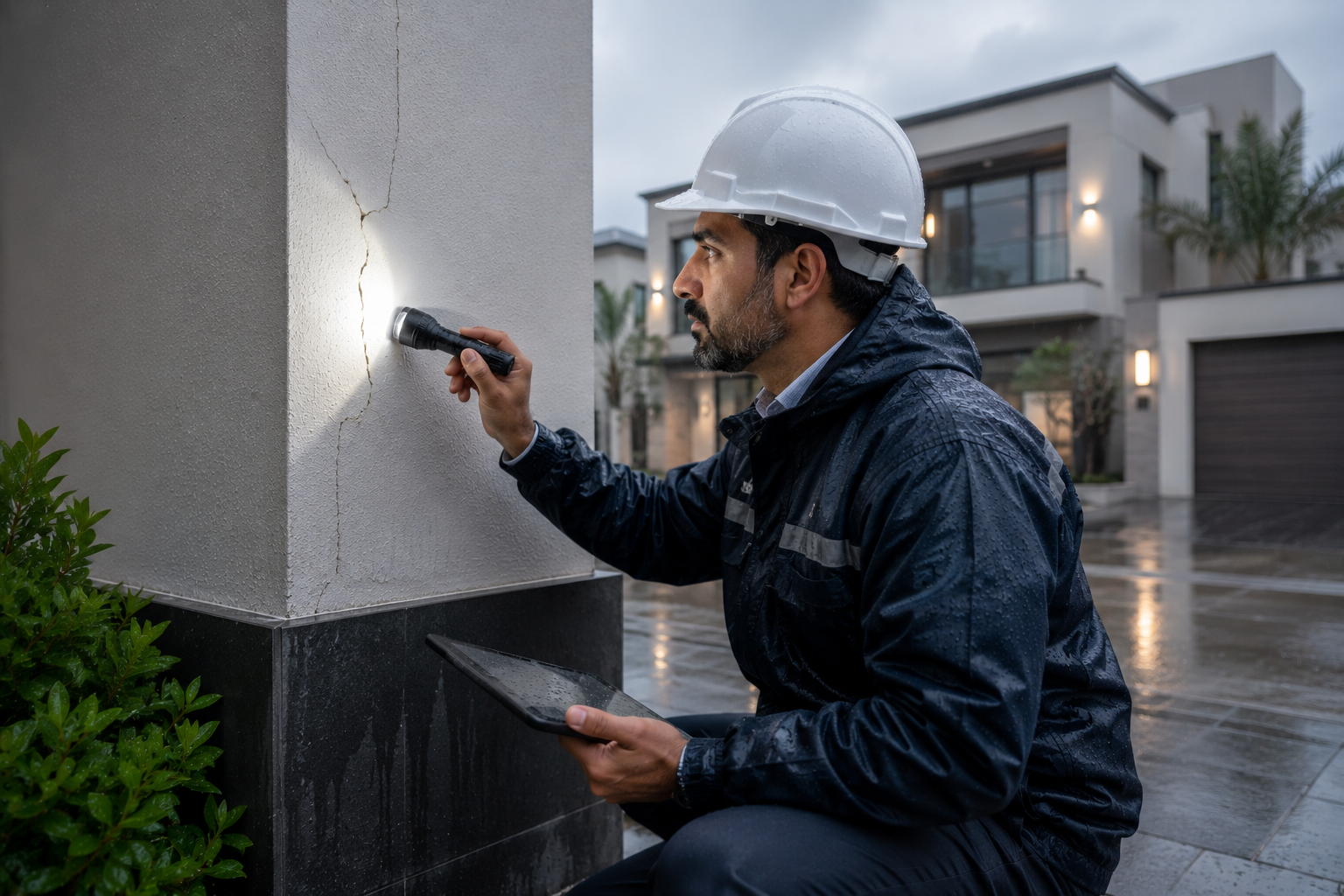
Balcony Waterproofing Repair Dubai
Apartment Balcony Water Ingress | Drainage Repair | Waterproofing Restoration
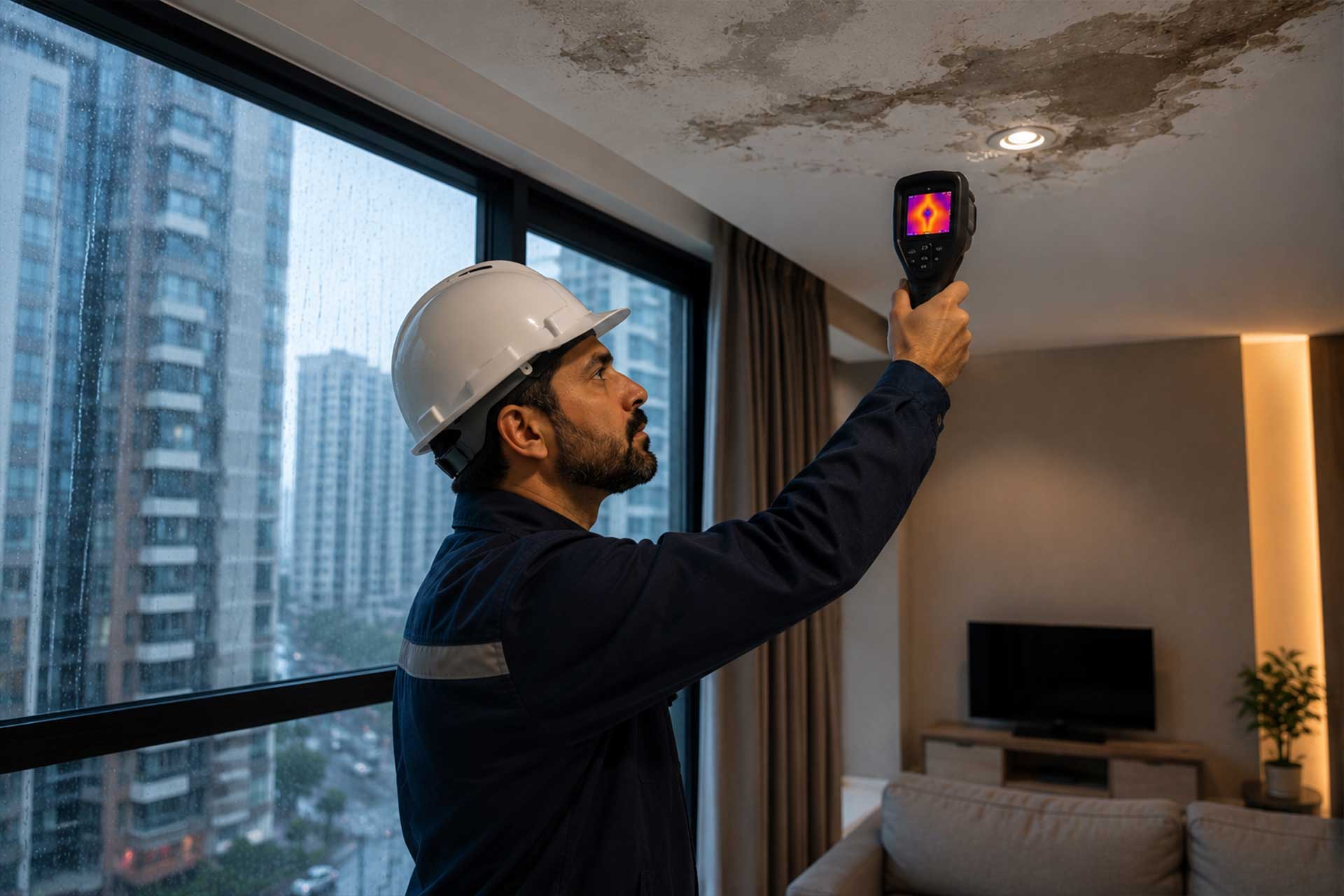
Rooftop Water Leak Investigation Dubai
Thermography Inspection |
Moisture Mapping |
Ceiling Restoration
Hidden Floor Gully Failure
Engineering Water Leak Investigation | Engineering Investigation

Looking for professional waterproofing investigation services in Dubai?
Explore our waterproofing solutions or speak directly with a DCX engineer.