
Persistent Wall Mould Investigation
Engineering Investigation | Moisture Diagnostics | Villa 210, Dubai

Persistent mould, wall deterioration and tile discoloration continued to spread throughout this two-year-old villa despite repeated repainting. Through systematic engineering investigation, thermal imaging and pressure testing, DCX identified the concealed source of moisture and restored the property using evidence-based engineering rather than unnecessary demolition.
When Mould Wouldn’t Stop Returning
Introduction
Visible mould is rarely the beginning of the problem.
In June 2025, a recently completed villa in Dubai began developing severe mould, fungal growth and progressive wall deterioration around multiple bedrooms. Initially, the damage appeared to be isolated surface moisture; however, despite repeated repainting and cosmetic repairs, the mould continued to return—each time spreading further throughout the property.
As the months passed, additional symptoms emerged, including substrate discoloration, deteriorating finishes and moisture staining. What first appeared to be a straightforward maintenance issue gradually developed into a complex engineering investigation, raising one critical question:
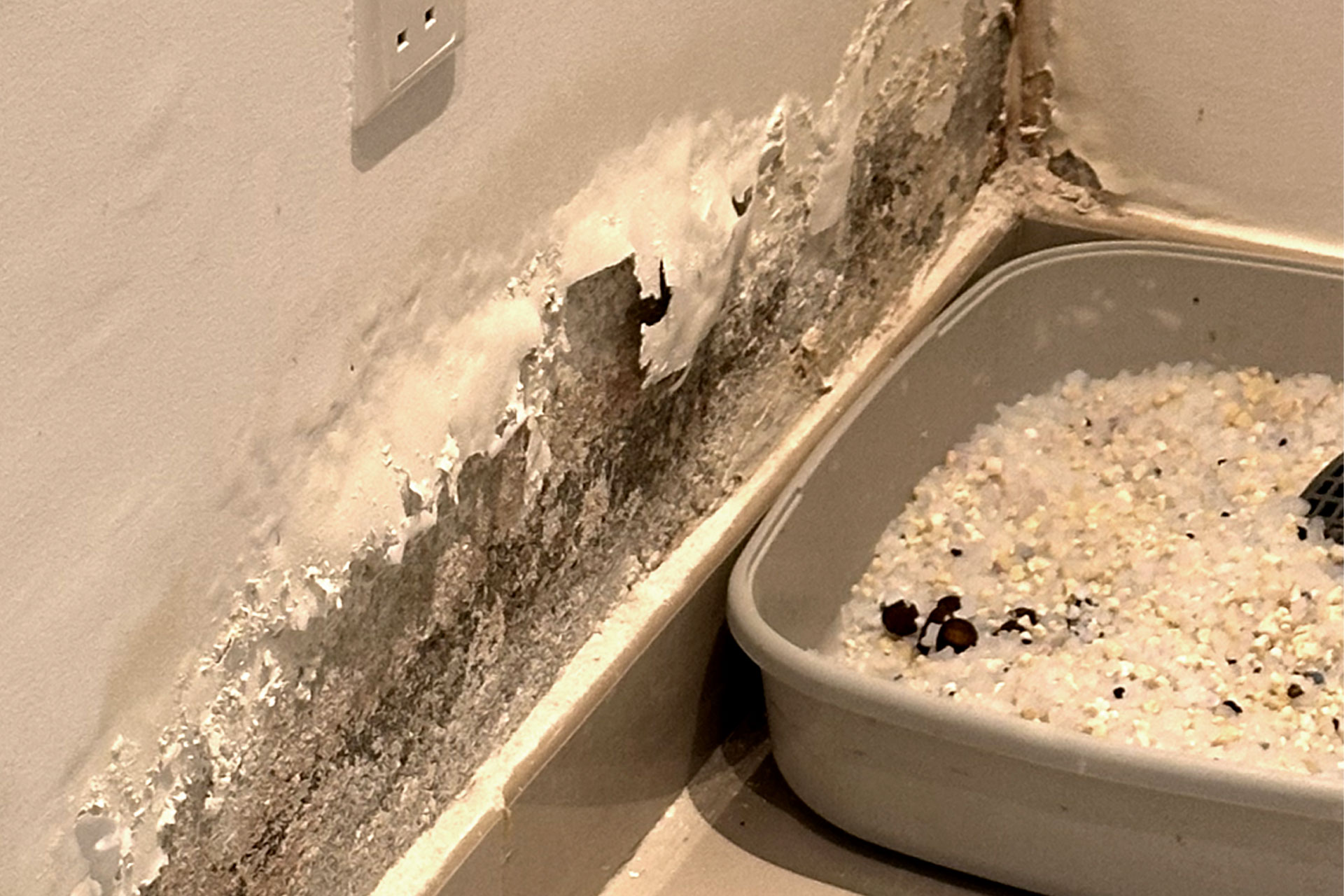
Why was the damage continuing to spread?
Rather than recommending immediate waterproofing or demolition, DCX initiated a structured engineering investigation to determine whether the visible mould was the actual problem—or simply evidence of a much larger concealed defect.
At this stage, there was no evidence that waterproofing had failed. There was only evidence that moisture was entering the building from an unknown source.
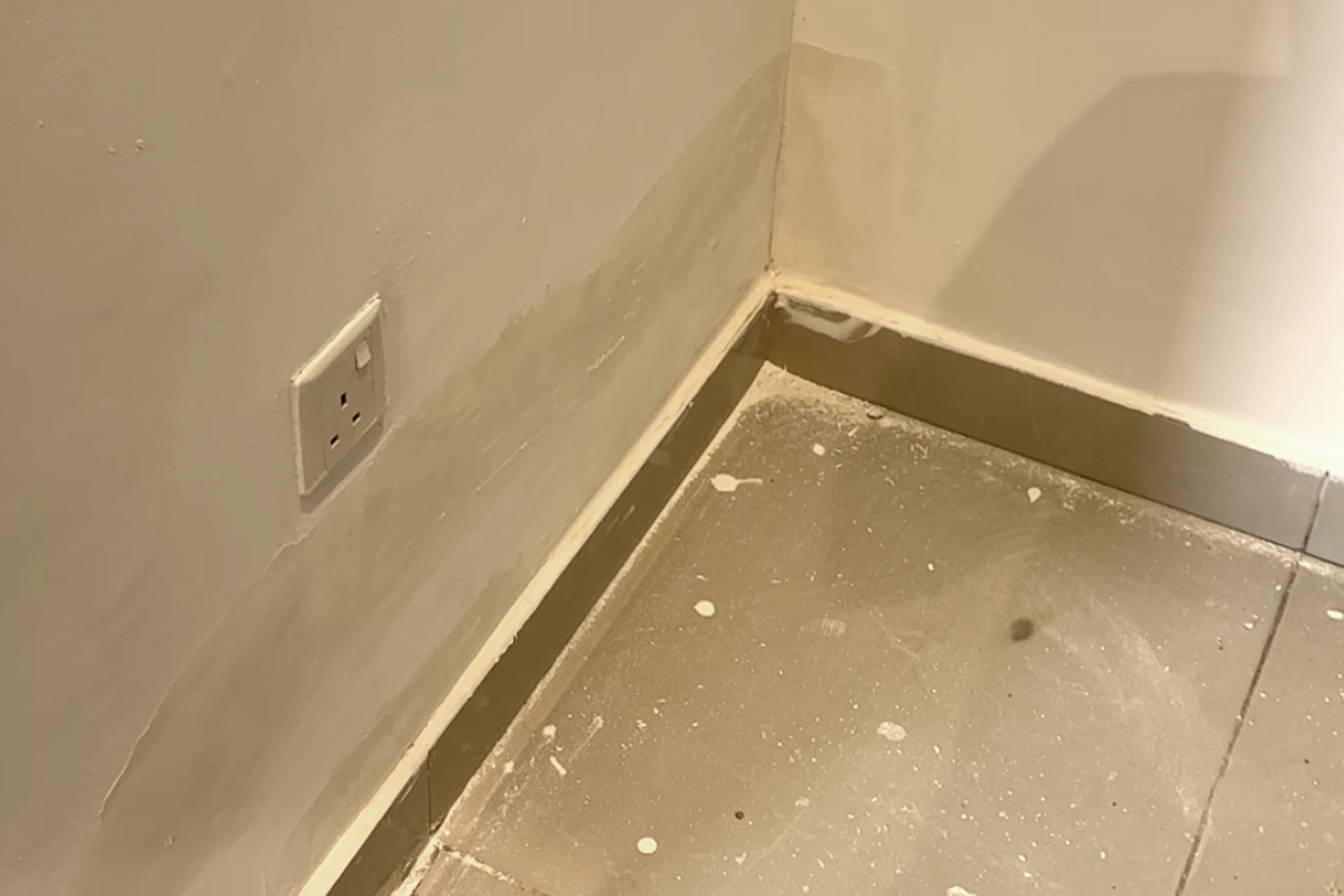
Rather than recommending immediate waterproofing or large-scale demolition, DCX proposed a structured engineering investigation using thermal imaging and controlled pressure testing. The objective was straightforward:
Identify the true source of the water before recommending any corrective work.
When Repainting Wasn’t the Solution
Recurring mould is rarely a painting problem. It is usually a symptom of an active moisture source that has not yet been identified.
As the mould continued spreading throughout the villa, the owner initially believed the damage was caused by ordinary wall moisture. Several repainting contractors were engaged to restore the affected rooms, and each time the finishes appeared normal immediately after completion.
Within days, however, the mould returned—larger, darker and extending into additional bedrooms. The repeated failures demonstrated that the visible damage was not the problem itself, but the consequence of an active moisture source hidden within the building.
Eliminating Every Possibility
Every possible source was tested before any demolition was approved.
Rather than relying on assumptions, DCX adopted a process of elimination. Every bathroom was investigated individually while drainage behaviour, concealed pipework, ceiling voids and moisture migration were continuously monitored over several days.
Thermal imaging, controlled observations and repeated pressure testing were correlated with the timing of water usage to determine whether the leakage originated from the water supply system, the drainage system or another concealed building component.
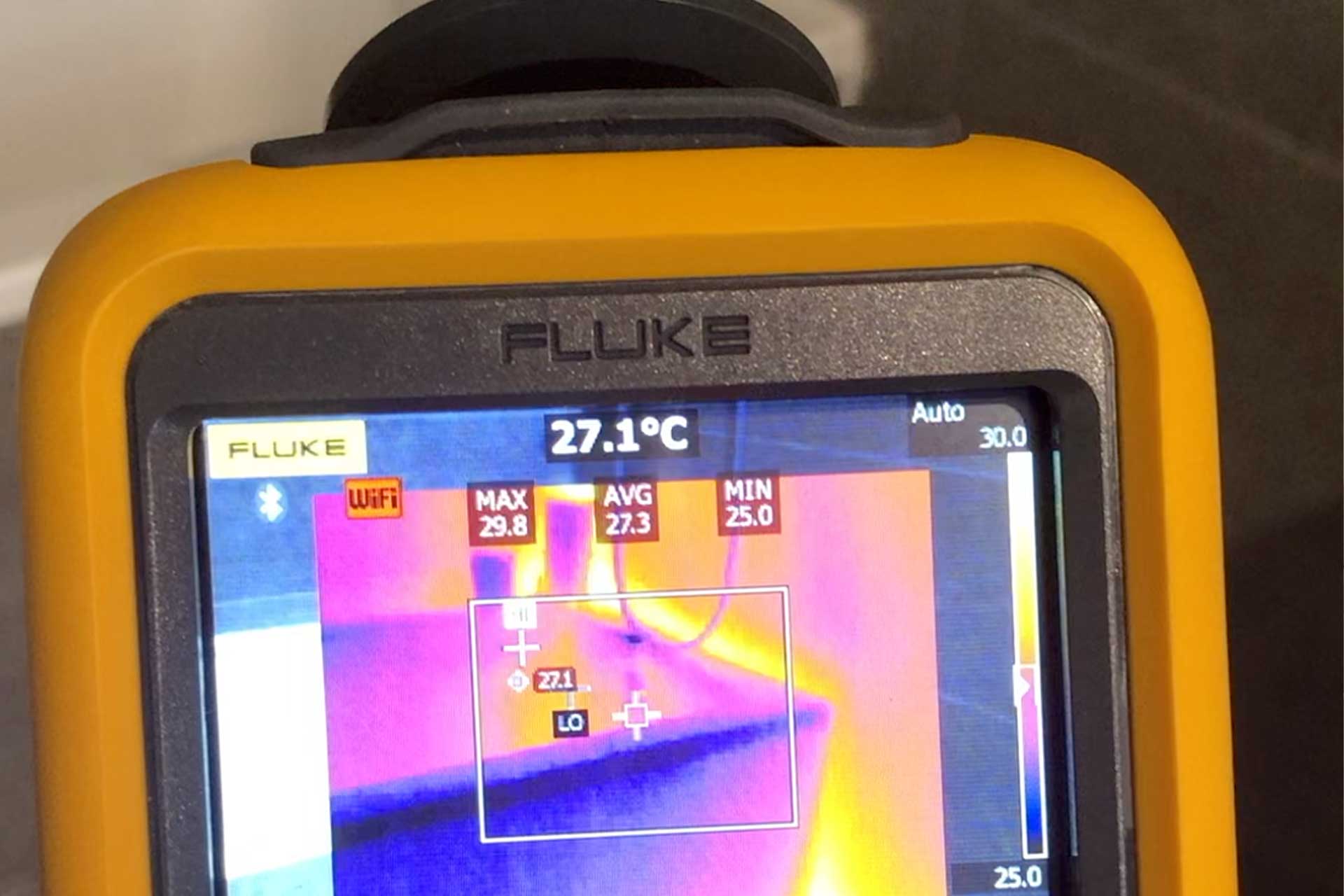
As each possible cause was systematically ruled out, the investigation gradually narrowed towards a concealed drainage defect hidden behind the bathroom finishes. Only after the engineering evidence consistently pointed to the same location was demolition authorized.
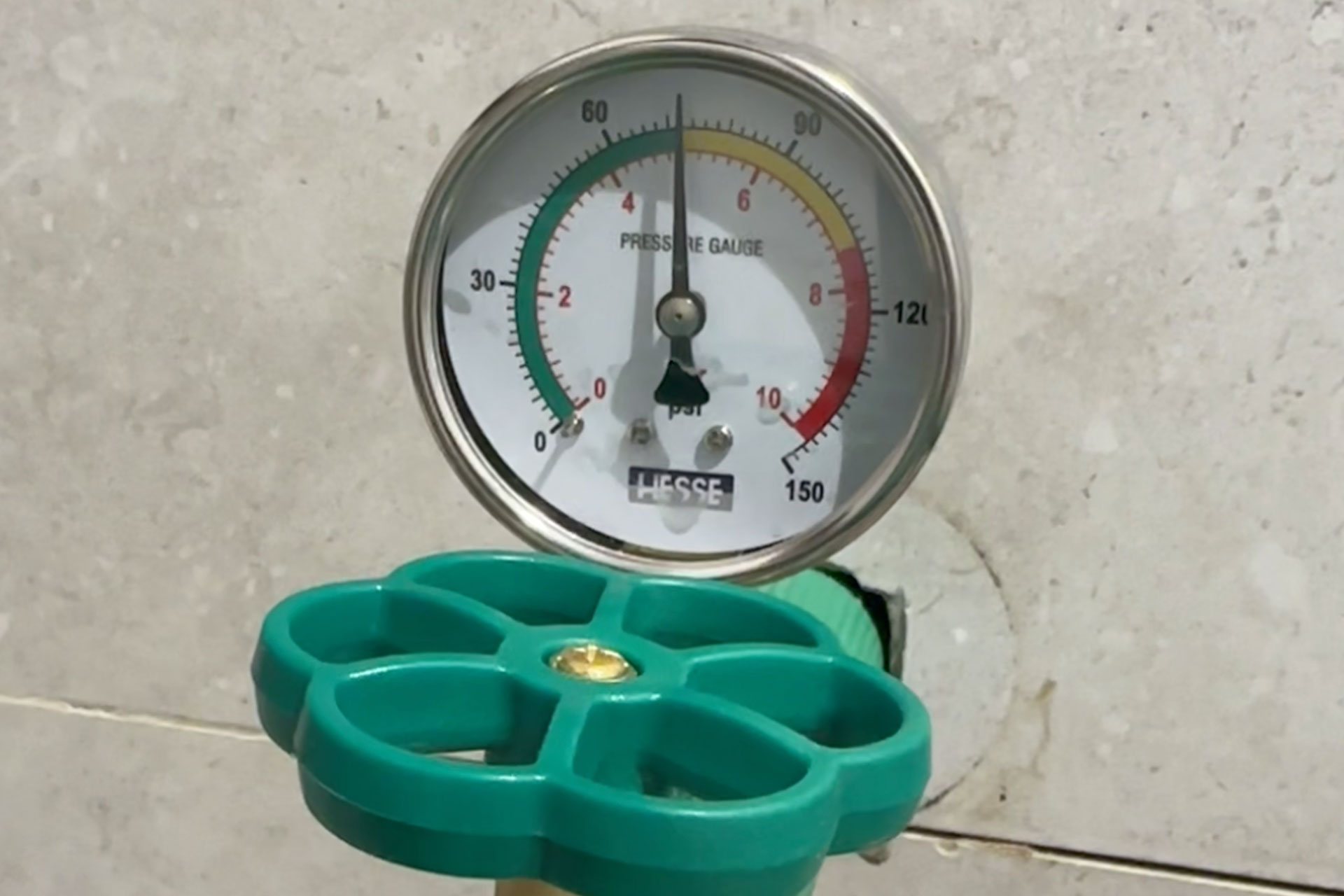
This milestone transformed the project from diagnosis to repair. The investigation had successfully identified the true source of the water ingress, allowing the remaining works to proceed with confidence while avoiding unnecessary demolition throughout the villa.
Root Cause Confirmed
Systematic engineering investigation isolated the concealed drainage defect responsible for the moisture damage.
Following multiple rounds of thermal imaging, controlled pressure testing and engineering verification, DCX confirmed that the leakage originated from a concealed drainage component hidden within the bathroom construction.
Only after the engineering evidence consistently identified the same location was selective demolition approved. The concealed assembly was carefully exposed, allowing the investigation team to verify the failure and eliminate all remaining uncertainty before corrective works commenced.
Engineering Solution
Corrective works commenced only after the source of the leakage had been fully verified through engineering investigation.
With the concealed drainage defect confirmed, DCX developed a repair strategy focused on rectifying the verified source of leakage while minimising disturbance to the surrounding bathroom finishes and occupied areas of the villa.
The affected drainage components were carefully removed, the concealed services inspected and all associated connections evaluated before the drainage system was reconstructed. Throughout the process, priority was given to workmanship, system integrity and long-term reliability rather than temporary repairs.
Every stage of the rectification was carried out under engineering supervision to ensure the completed installation addressed the verified root cause rather than the visible symptoms.
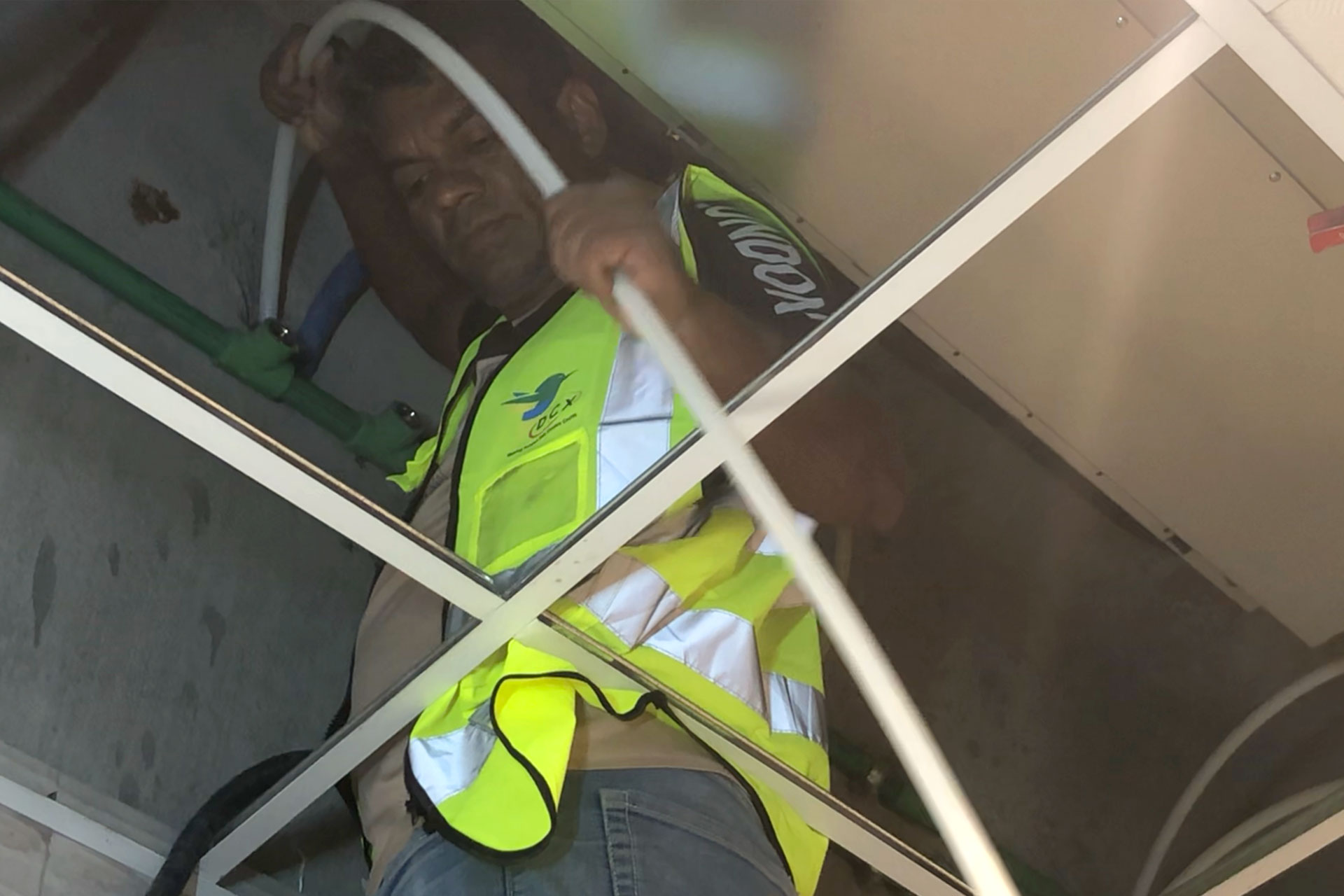
This approach significantly reduced unnecessary demolition while restoring confidence in the performance of the concealed drainage system.
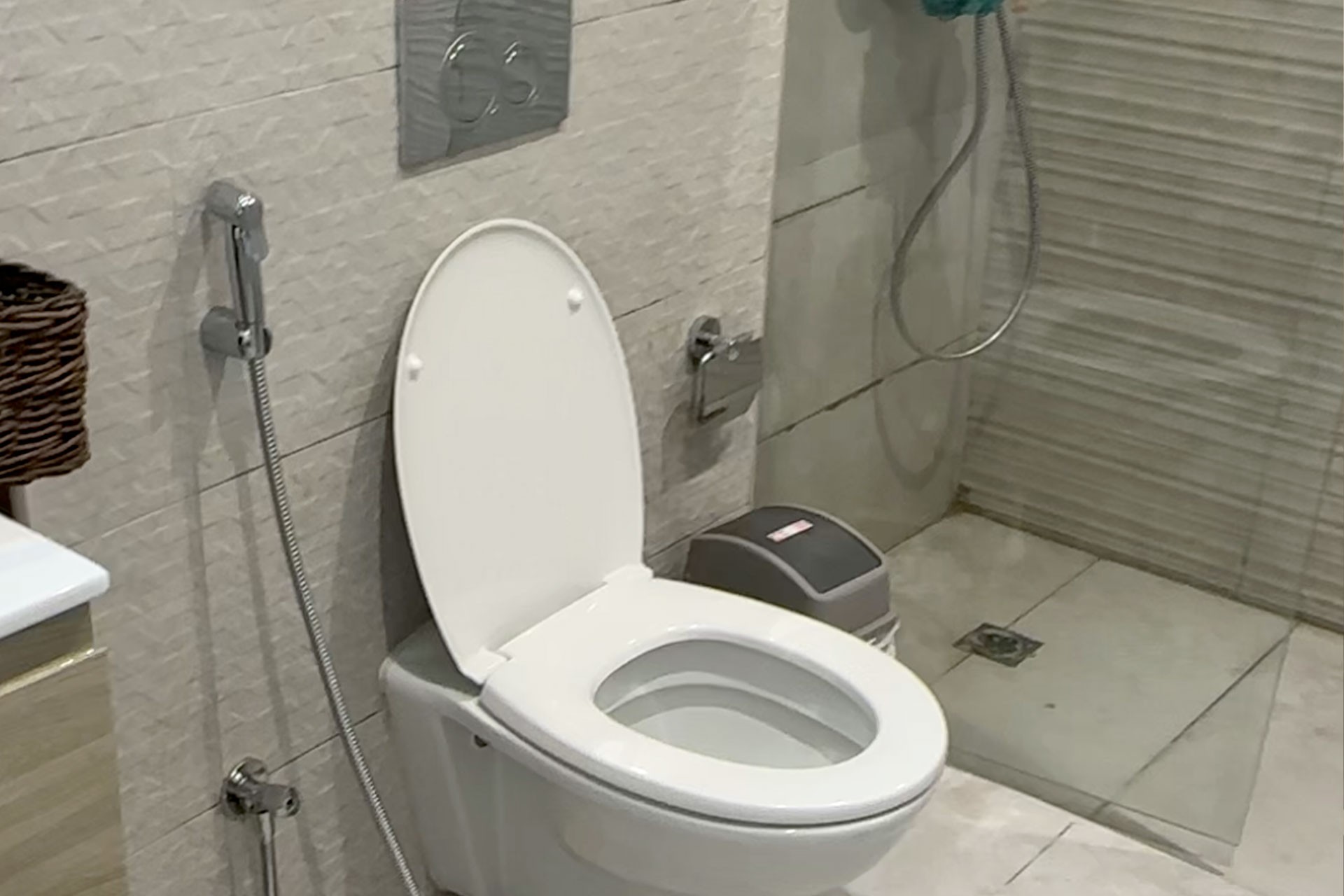
The before-and-after condition of the affected areas clearly demonstrates the outcome of the engineering investigation. The persistent leakage, mould growth and water damage that had developed over several months were eliminated following targeted rectification and systematic verification.
Only after successful testing and engineering validation was the investigation formally concluded and the repaired areas returned to service.
Verification & Final Testing
Every engineering repair must be verified before a project can be considered complete.
Following completion of the rectification works, DCX carried out a final verification programme to confirm that the source of water ingress had been permanently eliminated. The repaired drainage system was tested under operating conditions identical to those that had previously produced the leakage.
The investigation team monitored the repaired bathroom, the concealed service zone and the affected ceiling below throughout the verification period. No further signs of moisture migration, water discharge or progressive dampness were observed, confirming that the concealed defect had been successfully rectified.
Engineering Lessons From
This Investigation
Every concealed water leak leaves evidence. The challenge is knowing how to interpret it.
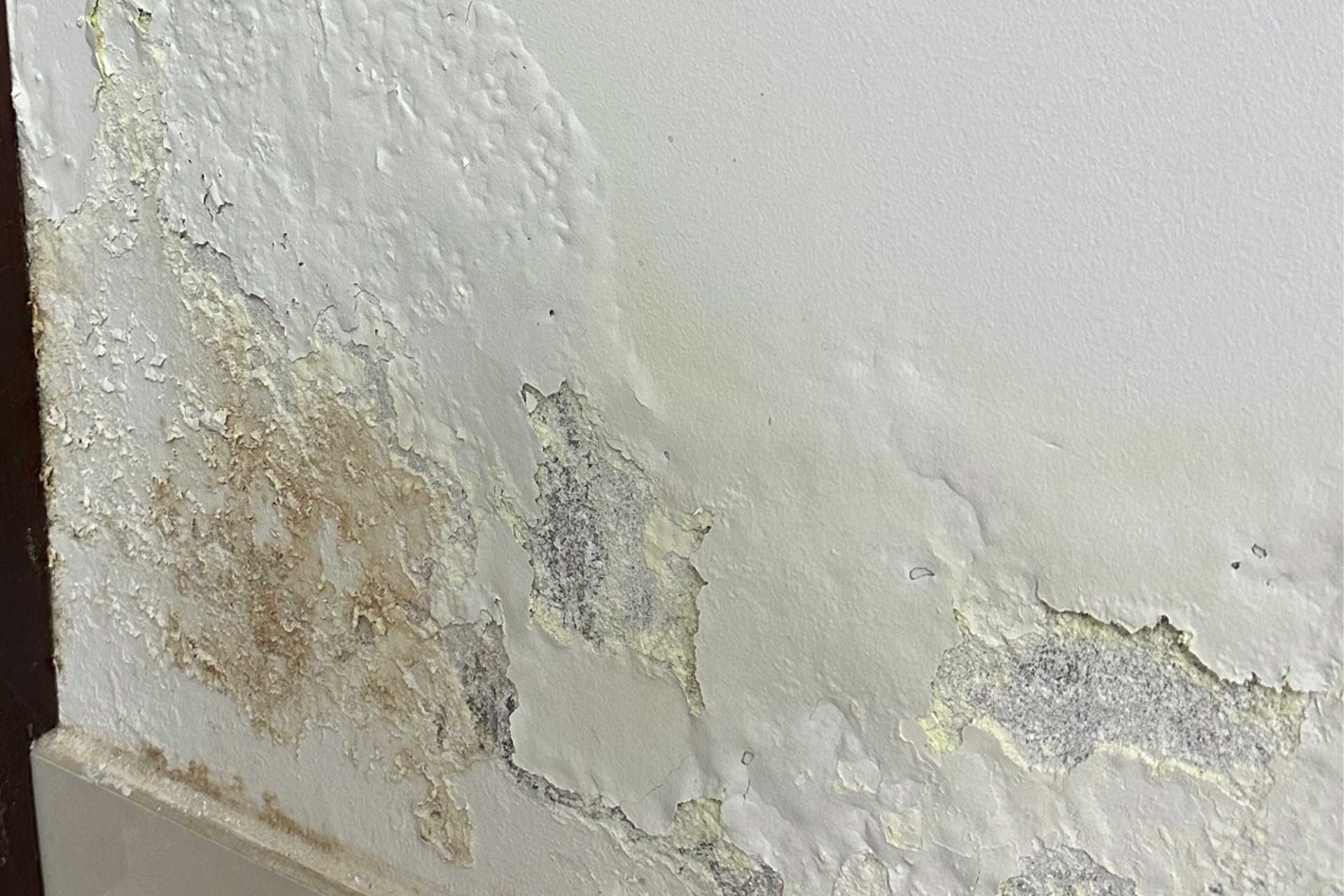
Water stains, mould and peeling paint are usually the final symptoms—not the origin of the problem. Engineering investigations begin by identifying the source rather than repairing the visible damage.
Thermal imaging, controlled pressure testing and progressive elimination help isolate concealed failures before opening walls or floors, reducing risk, cost and disruption.
Prevents Repeat Failures
Engineering decisions based on evidence—not assumptions—reduce unnecessary demolition, preserve existing finishes and provide owners with confidence that the true cause has been permanently addressed.
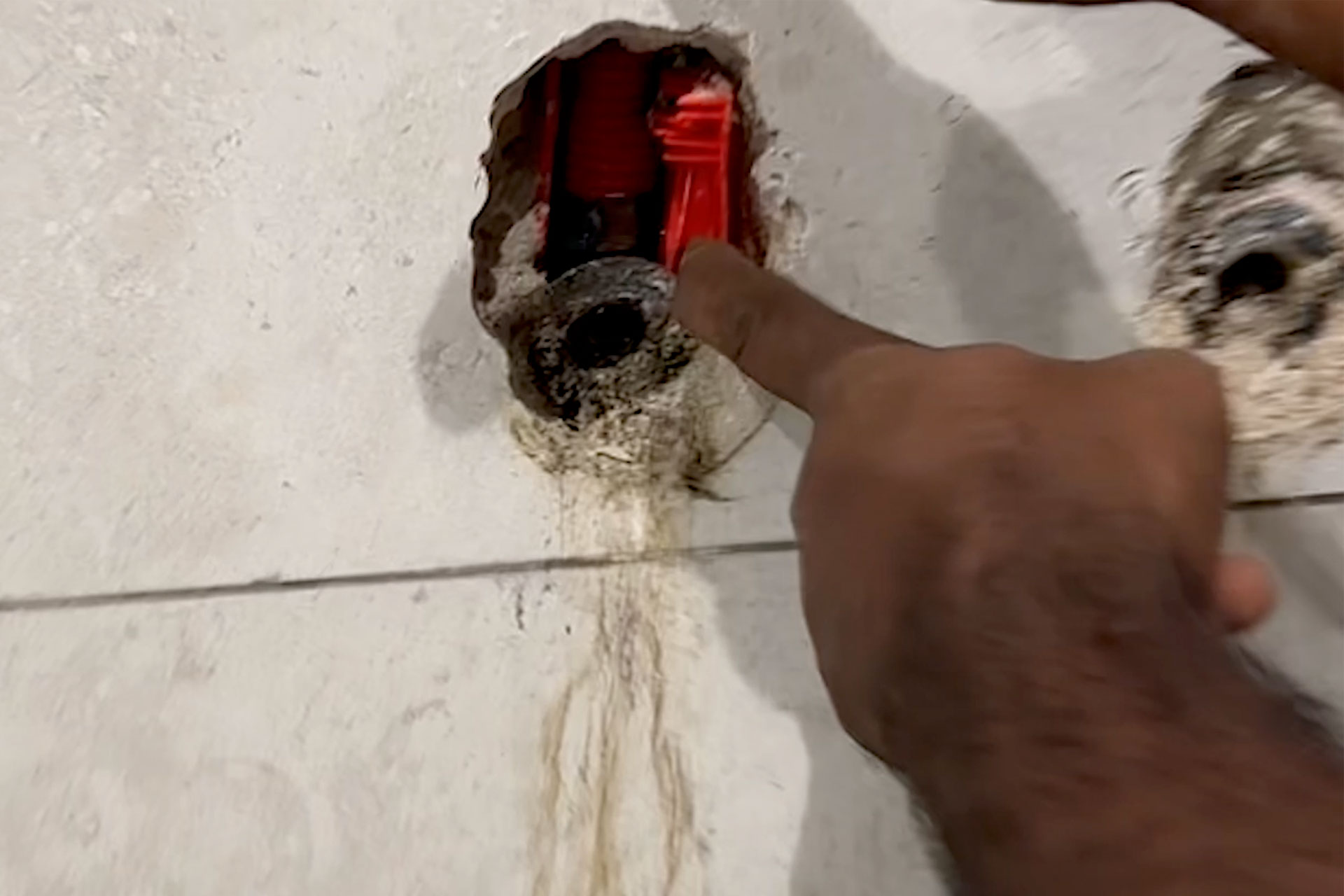
Water appearing below a bathroom can originate from drainage fittings, concealed pipework, joints or waterproofing defects. Every source should be investigated before selecting the repair method and start demolition.
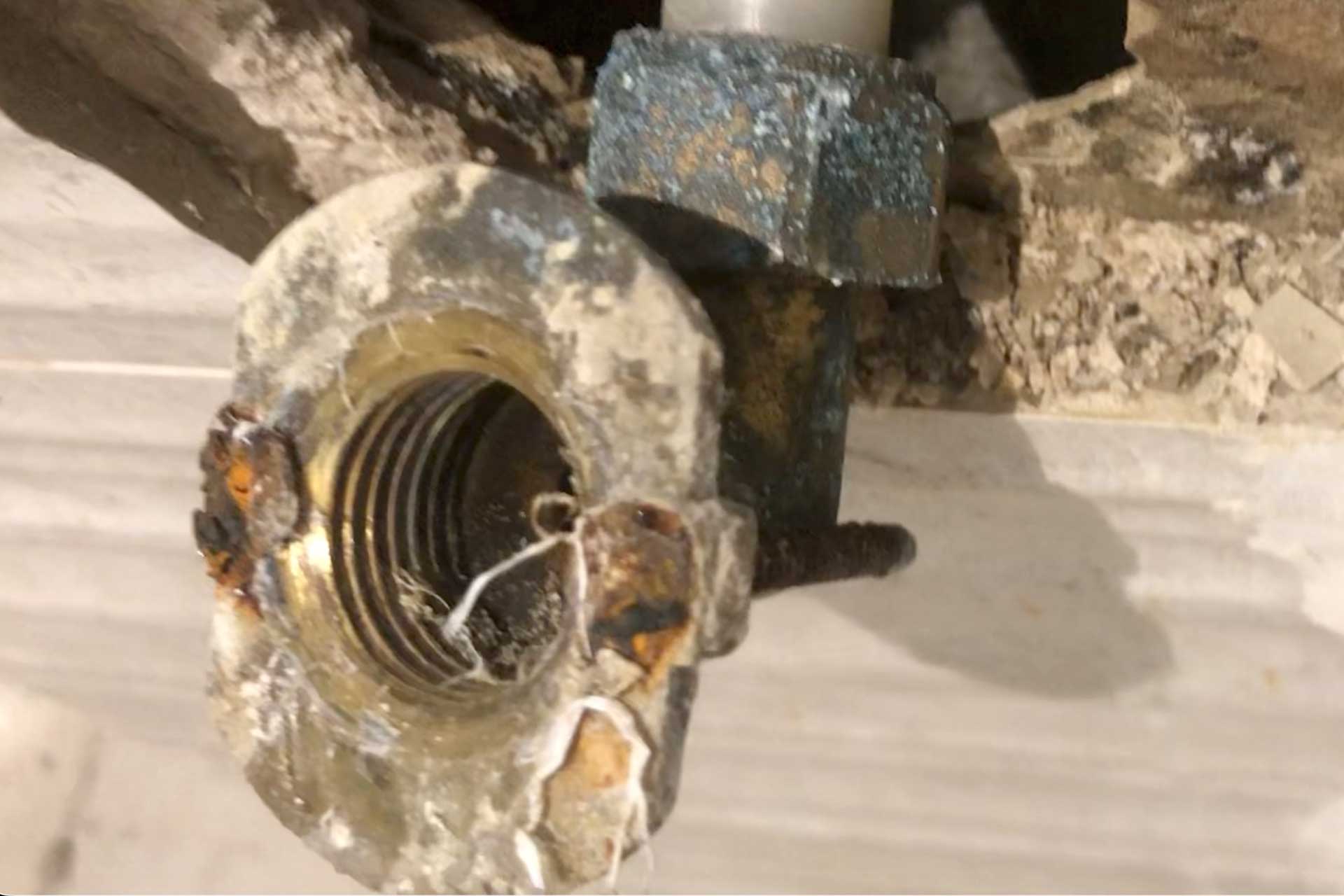
Water appearing below a bathroom can originate from drainage fittings, concealed pipework, joints or waterproofing defects. Each possible source should be investigated independently before selecting the repair method.
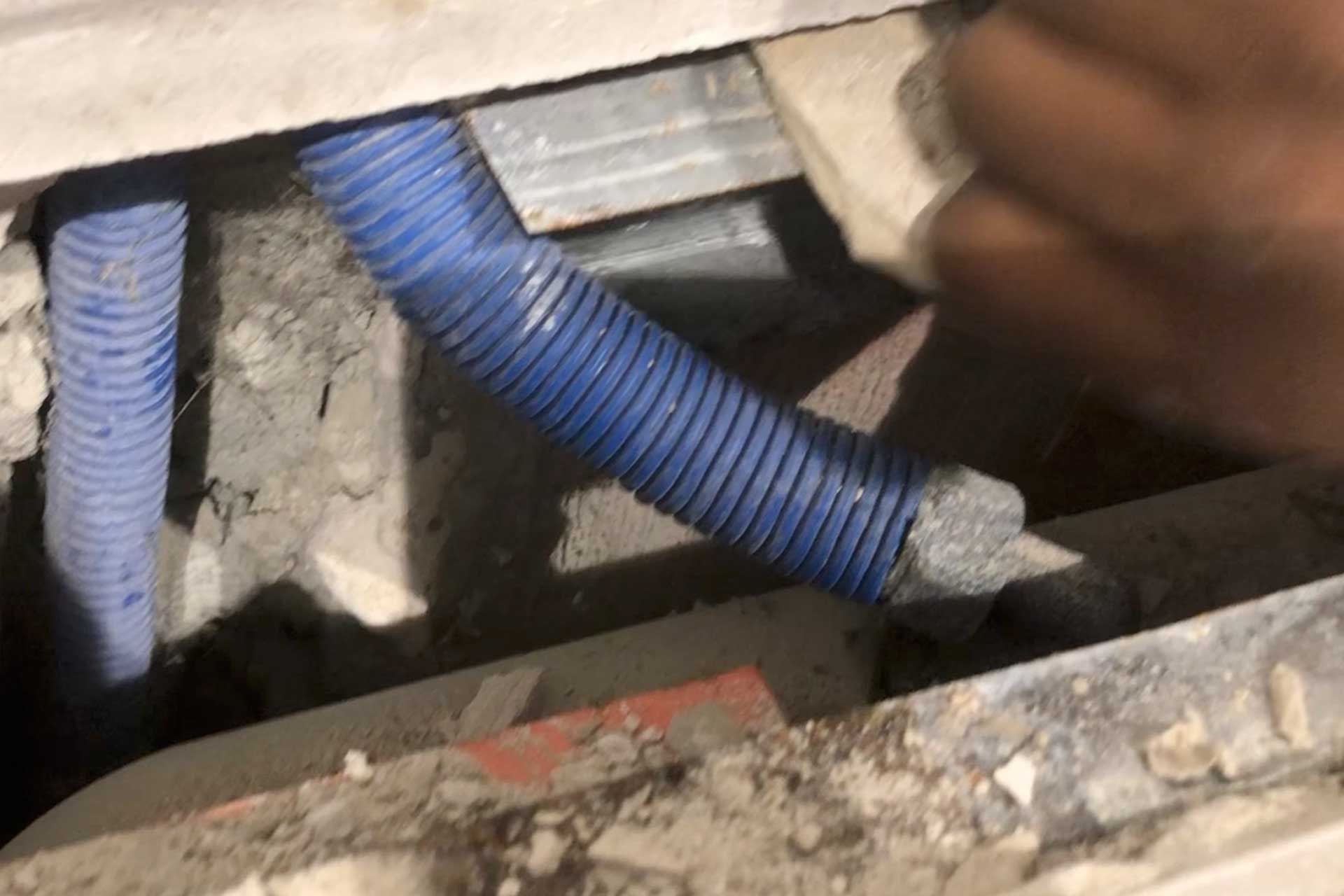
When a water leak returns after previous repairs, treating the visible damage alone is unlikely to solve the problem. Controlled testing and engineering diagnostics help isolate the concealed defect responsible for recurring leakage.
Every engineering insight published by DCX is derived from real
field investigations, validated observations and documented engineering findings—not theoretical examples.
Explore Similar Engineering Projects
Related Engineering Investigation Projects
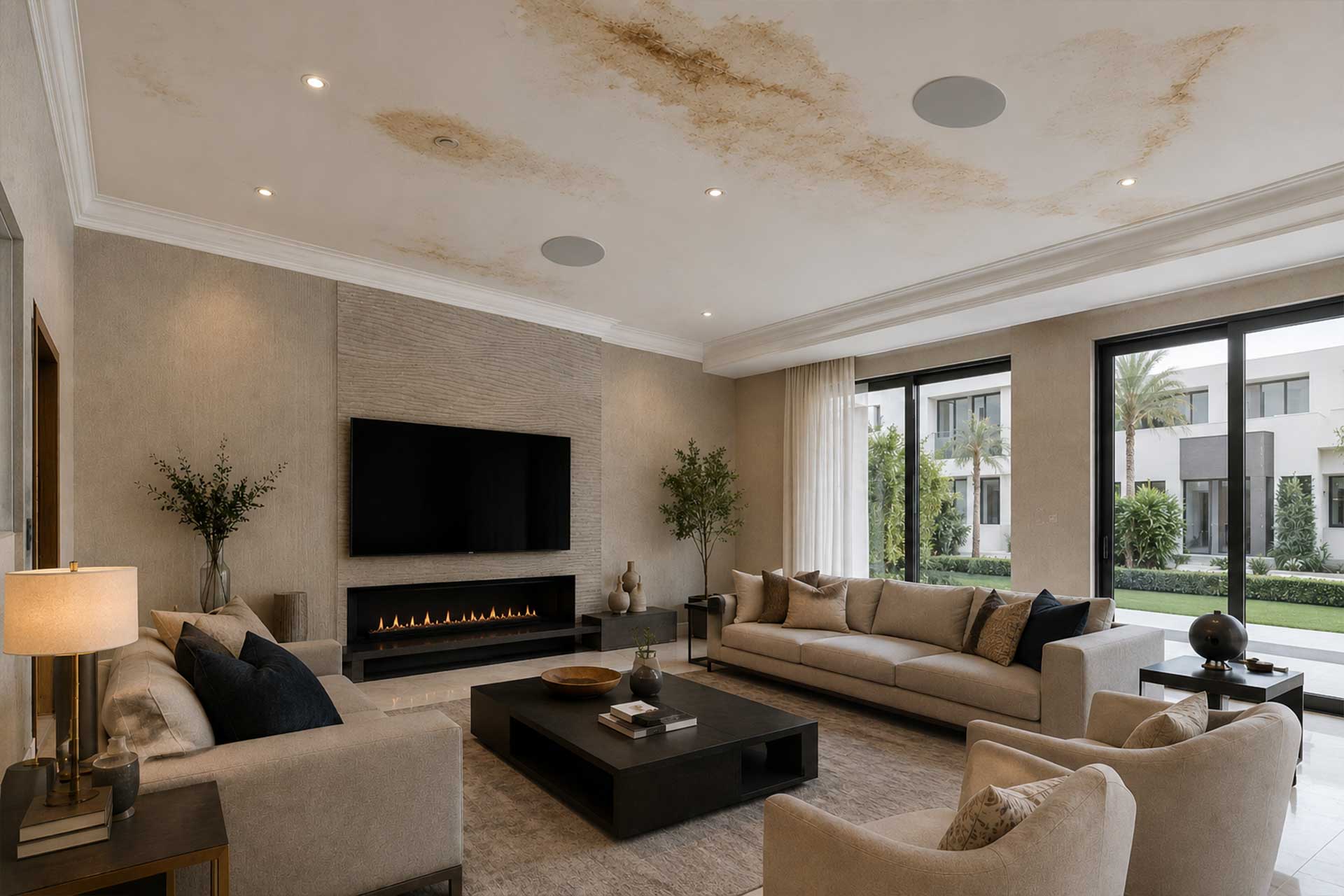
Luxury Villa Roof Leak Investigation
Leak Investigation | Waterproofing Restoration | Flood Testing
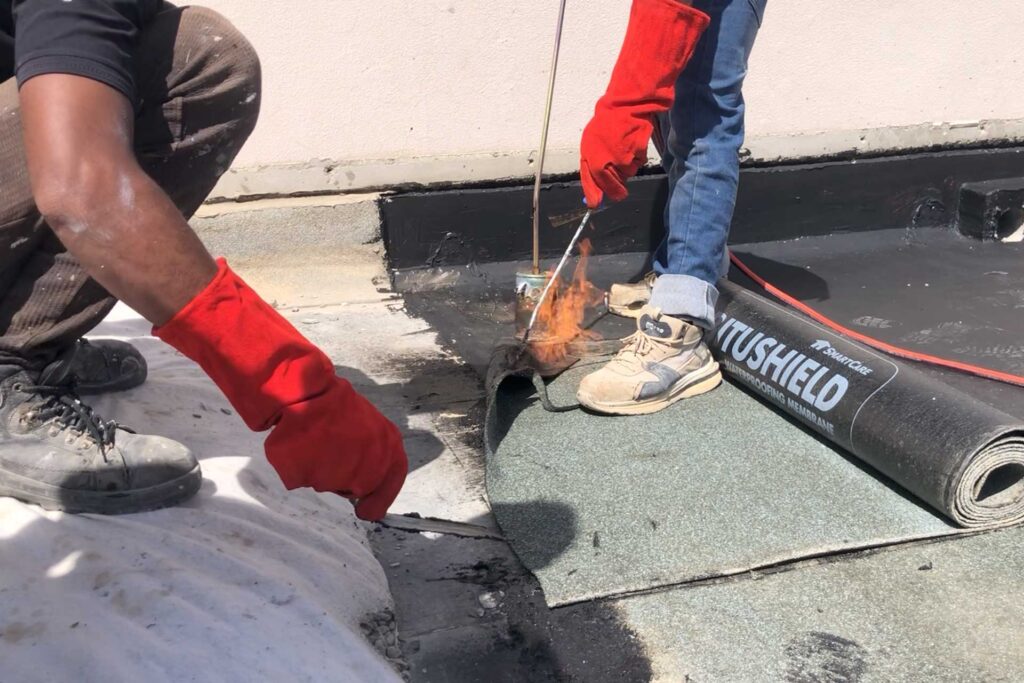
Bathroom Water Leak Repair Dubai
Villa Leak Investigation |
Waterproofing Rectification |
Flood Testing
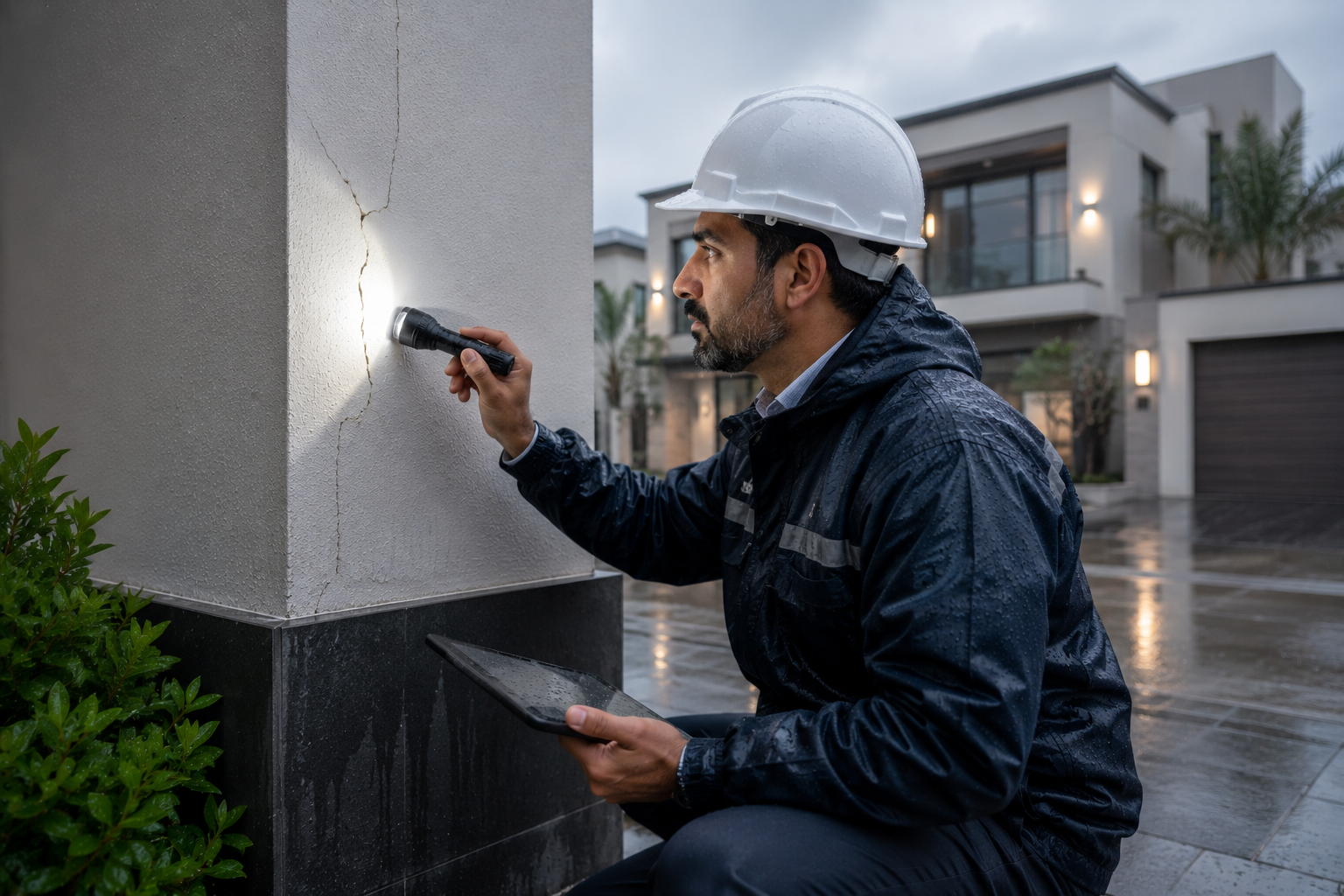
Balcony Waterproofing Repair Dubai
Apartment Balcony Water Ingress | Drainage Repair | Waterproofing Restoration
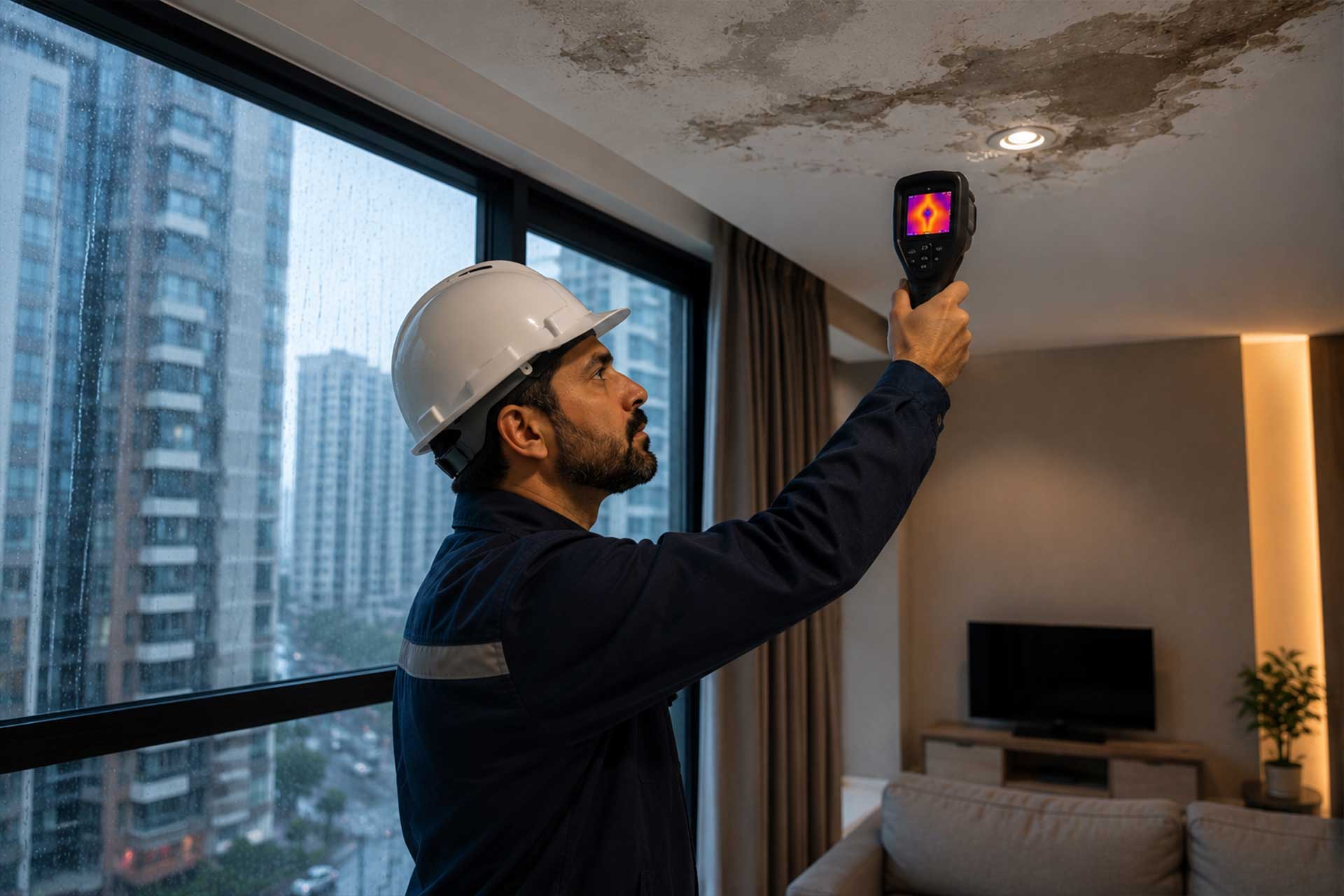
Rooftop Water Leak Investigation Dubai
Thermography Inspection |
Moisture Mapping |
Ceiling Restoration
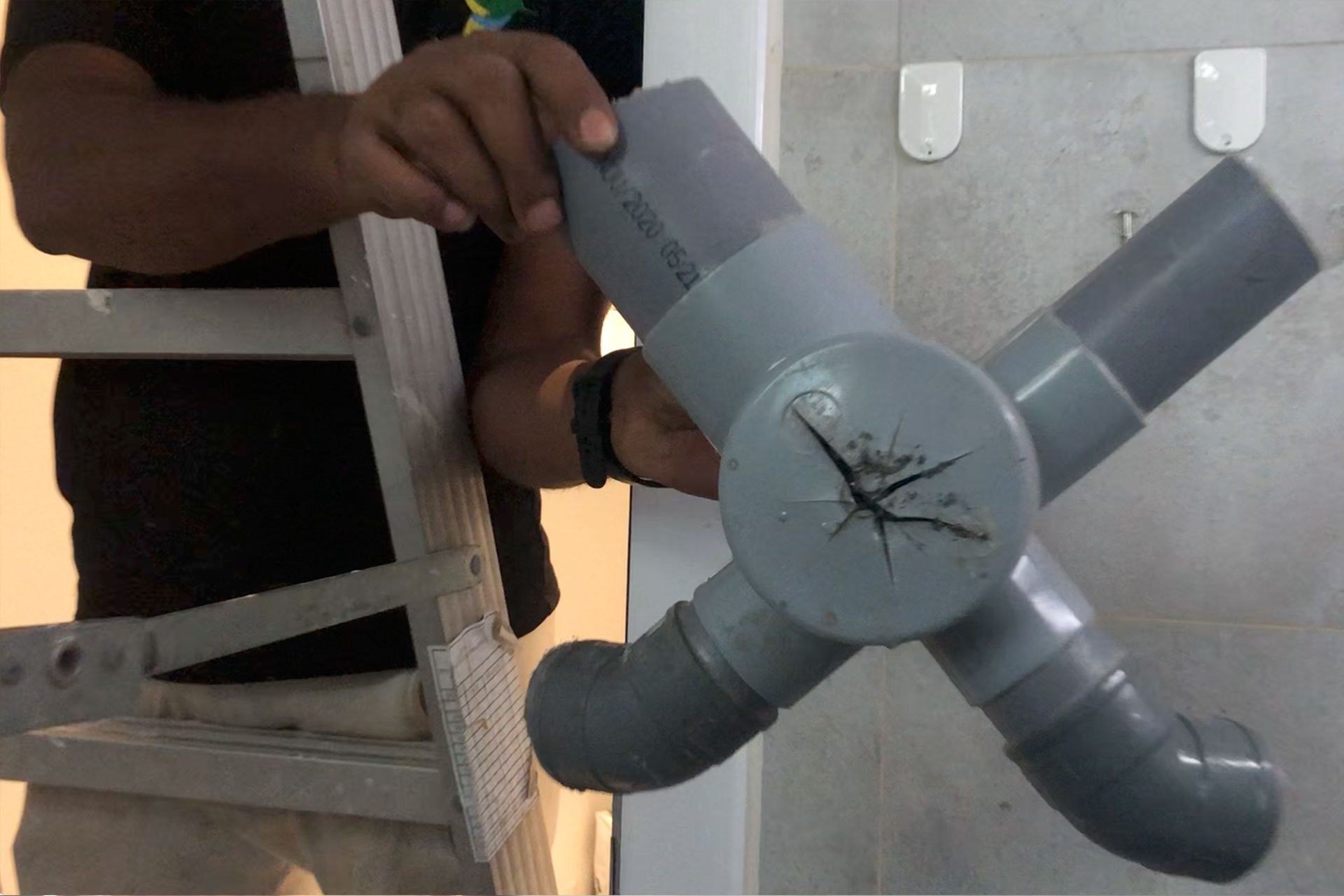
Hidden Floor Gully Failure
Engineering Water Leak Investigation | Engineering Investigation

Looking for an engineering investigation into a concealed water leak or unexplained moisture problem?
Explore our engineering solutions or speak directly with a DCX engineer.